


The invisible power of music: With “More Than Music”, Thomann is striking an unusually reflective note this year. For the first time, we’re bringing together scientifically proven facts about the effects of music with stories that are partly based on real-life experiences and told entirely in a documentary style.
The Power of Music
Many of us have heard or read about it before: music can provide support in all walks of life – especially during challenging times.
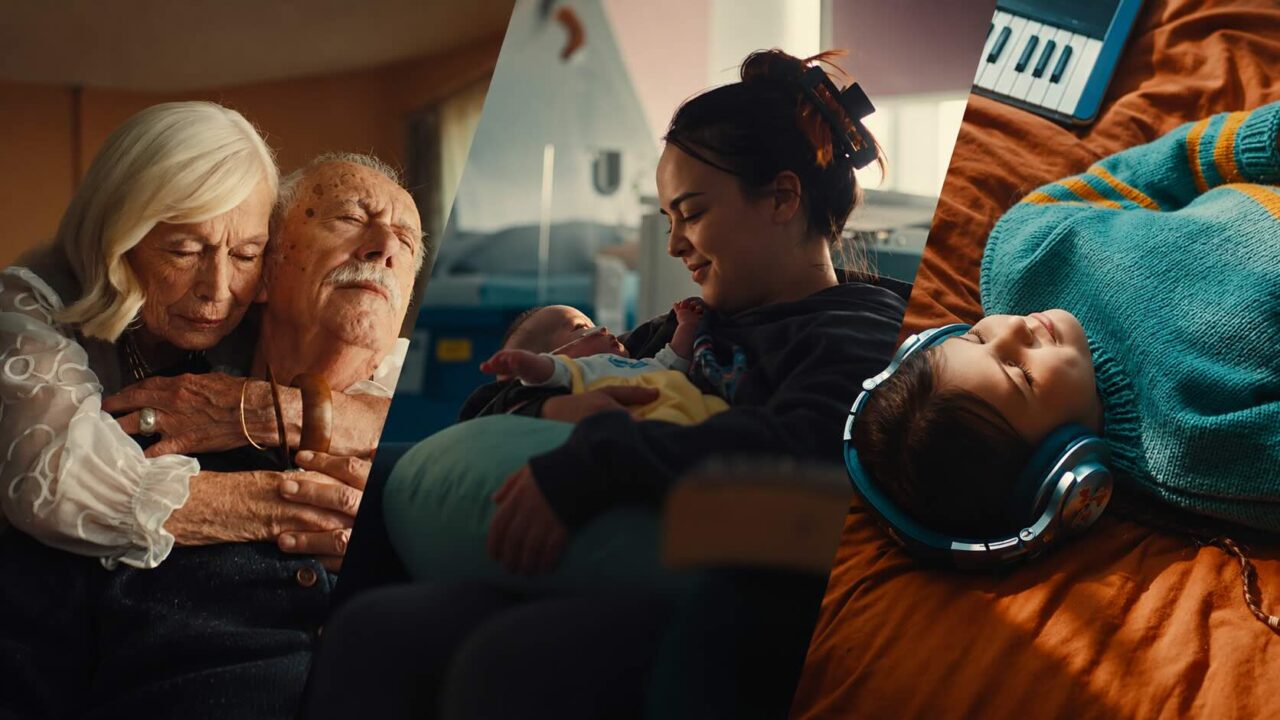
- Music can help people regain their ability to speak after a stroke. Melodic intonation activates different areas of the brain, enabling patients to relearn words and language more quickly.
- Music can reduce stress – and there’s scientific evidence to prove it. Music lowers stress hormone levels, calms the body and helps people feel safer and more relaxed.
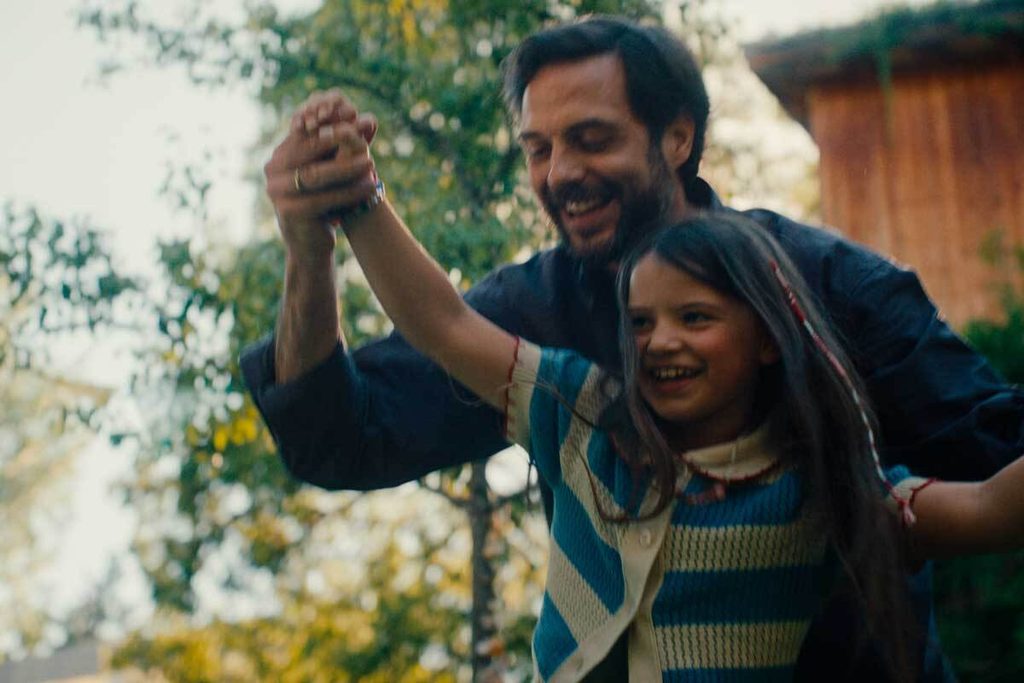
- Music can strengthen social bonds. When people make music together, they feel a strong sense of connection – even their heartbeats can synchronise.
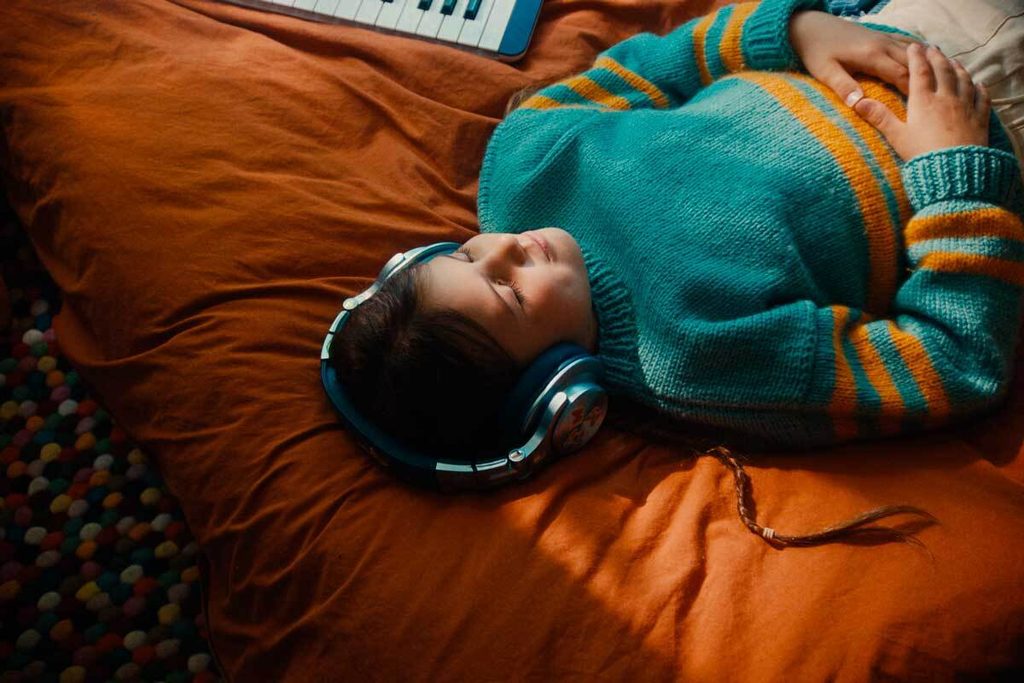
For 2026, we’ve set ourselves the goal of making scientifically proven facts about the effects of music more tangible and accessible to our customers.
But this isn’t about creating a spectacle. It was important to us that qualified medical experts, music therapists and doctors were involved throughout the project, actively contributing their expertise and insights from both research and clinical practice.
Supporting the Journey into Life
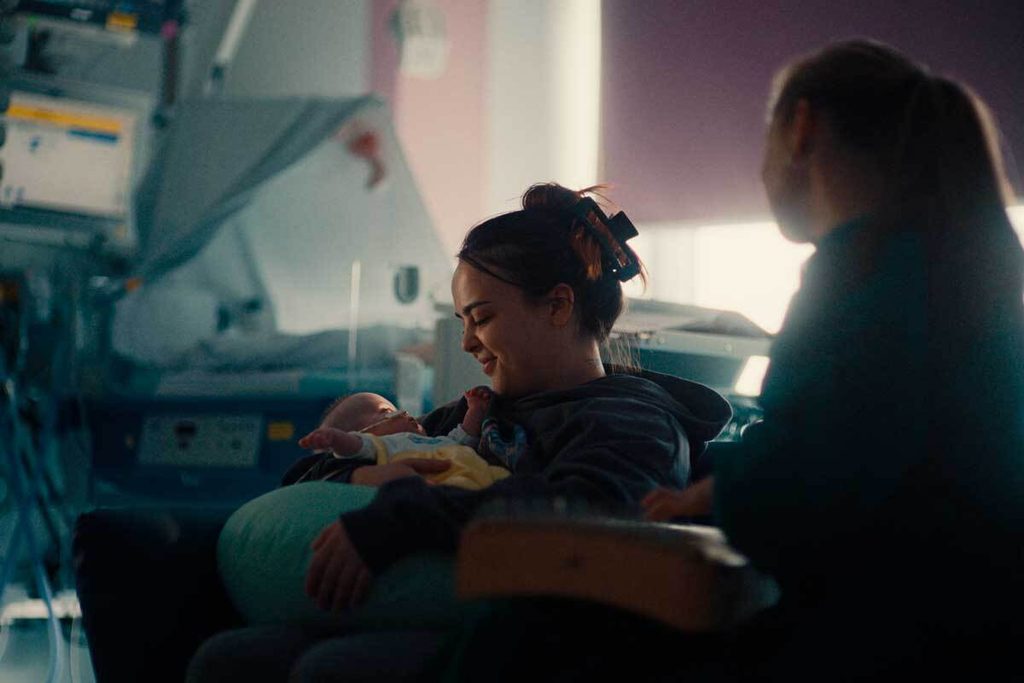
One of these experts is Dr Susann Kobus, a music therapist with a doctorate specialising in neonatology at Essen University Hospital. Working in collaboration with the German Music Therapy Association, she gave us an exclusive insight during filming at the hospital into how music-based interventions can help regulate stress in premature babies and support parent-child interaction.
Particularly once premature babies have successfully overcome potentially life-threatening situations, targeted music therapy using a monochord or a Sansula can help stabilise their condition further and support their journey towards a normal life. The use of these instruments can have a positive effect on premature babies’ heart rates, breathing rates, overall stress levels and feeding.
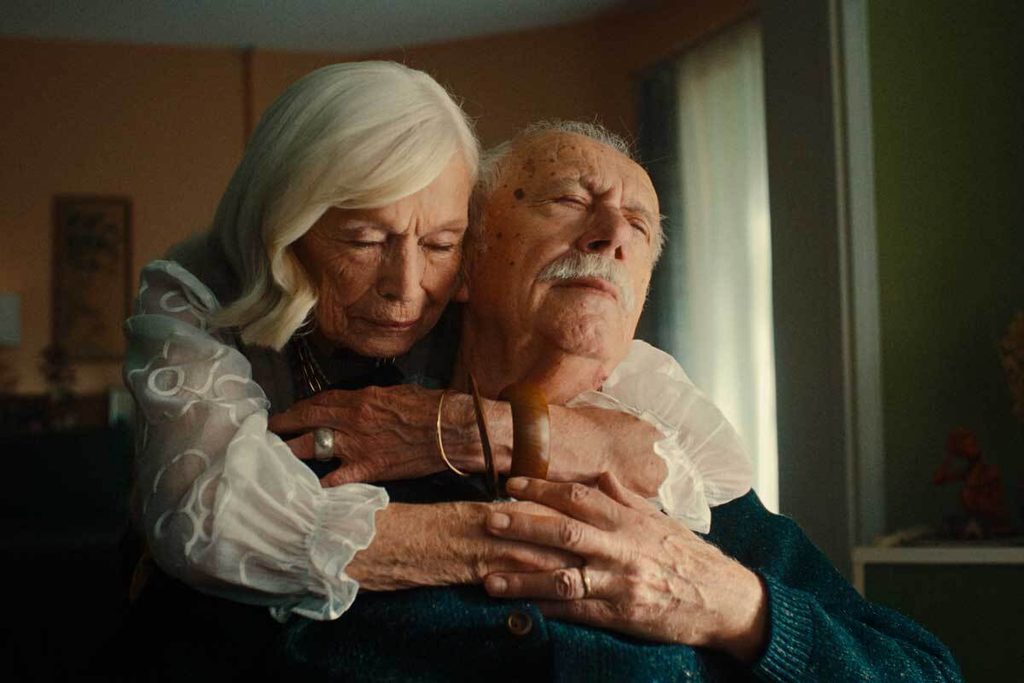
There is also evidence from neuroscience research (examining the effects of musical interventions on brainwaves and responses in people with dementia) and clinical psychology (including music therapy for mood disorders such as depression) that music can make a difference.
Authentic and Personal
“More Than Music” seeks to convey all of this through quiet, moving imagery. It’s a film designed to touch hearts while remaining authentic above all else. Featuring powerful, intimately filmed scenes, some involving real people and their personal stories, it remains firmly grounded in scientifically supported therapeutic approaches and their effects.
Making this film surprised us, filled us with wonder and moved us deeply. By the end, everyone involved had experienced just how much more music can do when its power is unleashed.
Introducing: “More Than Music”
“More Than Music” was developed with the kind advisory support of the following experts:
Prof. Dr. paed. habil. Susann Kobus
Music Therapist (M.A.), Qualified Music Educator, University Hospital Essen (AöR)
Prof. Jörg Fachner
Cambridge Institute for Music Therapy Research, Anglia Ruskin University, UK
Dr. phil. Anja Schäfer (MAS)
Clinical Music Therapist, Certified Music Therapy Educator, Graz, Austria










Comments 0
No comments yet.