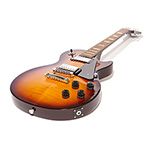
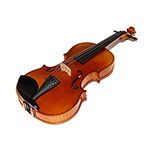
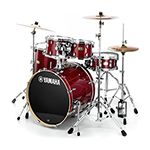
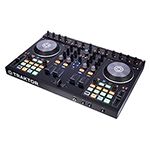
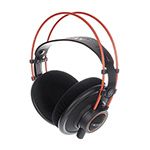
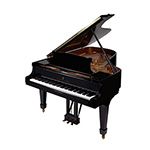
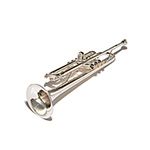


Can I still learn to play an instrument when I’m over 30? Is it even worth starting to play the piano or guitar at 50? Am I too old to start playing drums? In this blog post, we’d like to dispel such doubts once and for all. Because the answer is clear: of course you can learn an instrument as an adult, and it can enrich your life far more than you think possible!
Back 2 School
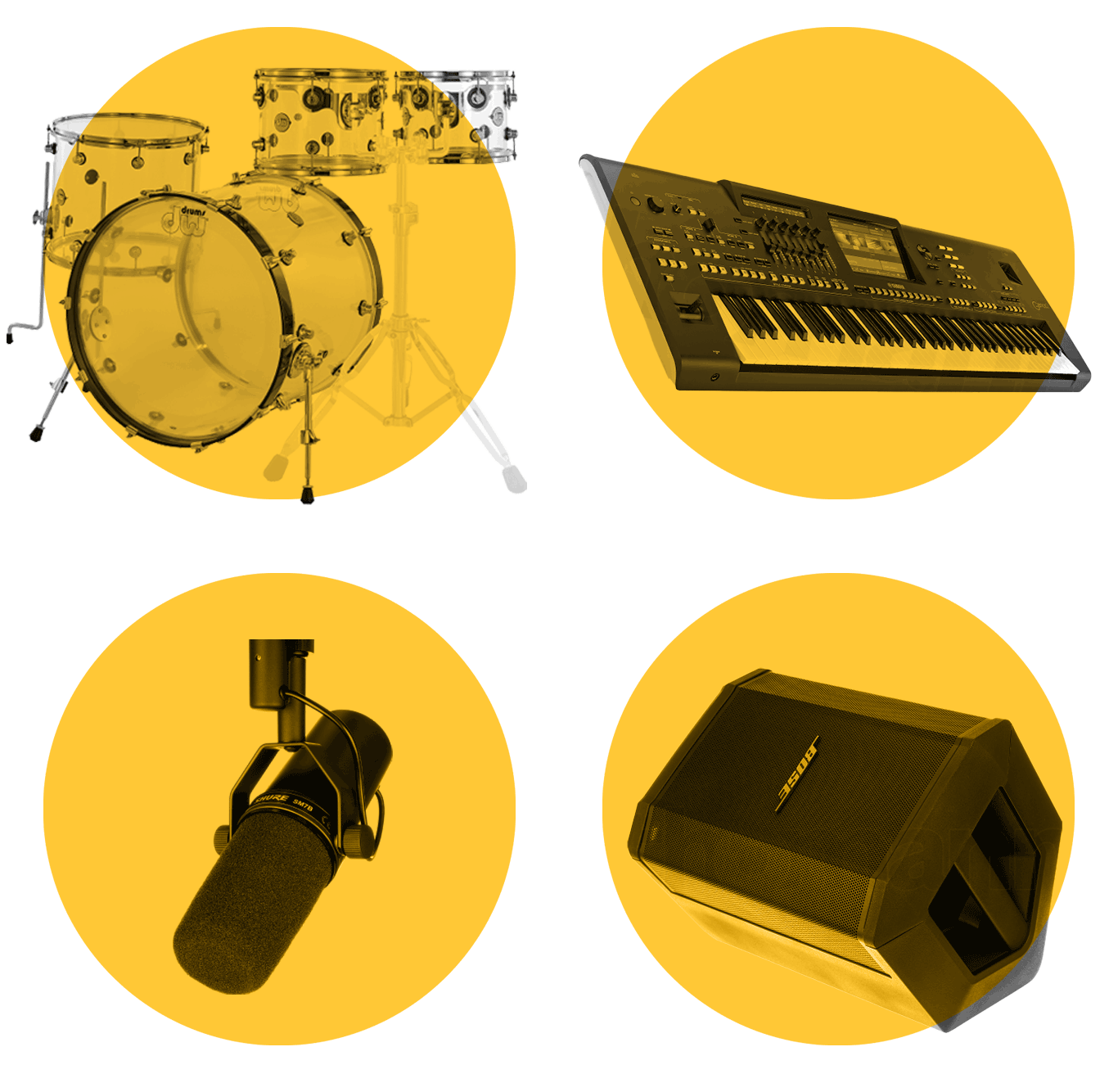
You’re really eager to learn an instrument, but you’re unsure which one suits you best? Whether you are a complete beginner or getting back into it after a break, our “Back 2 School” campaign is here to help you find the right instrument.
Discover our
👉 Back 2 School selection 👈
Can you learn an instrument as an adult?
There’s a persistent myth that goes like this: if you didn’t start playing the piano, guitar, violin or trumpet as a child, you supposedly can’t learn it later in life. Or, as they say: You can’t teach an old dog new tricks. But is that really true? If you’ve been contemplating learning an instrument as an adult, this article is for you.
It’s true that children often find learning easier; this can be clearly seen, for example, when it comes to learning languages. The reason for this lies in the chemical processes in the brain, which ensure that the necessary connections can be established more quickly than in adults. That’s how nature intended it; after all, children have to learn an enormous amount in a short space of time. What’s more, kids are less inclined to make things more complicated than they need be, and are less afraid of making mistakes or making a fool of themselves.
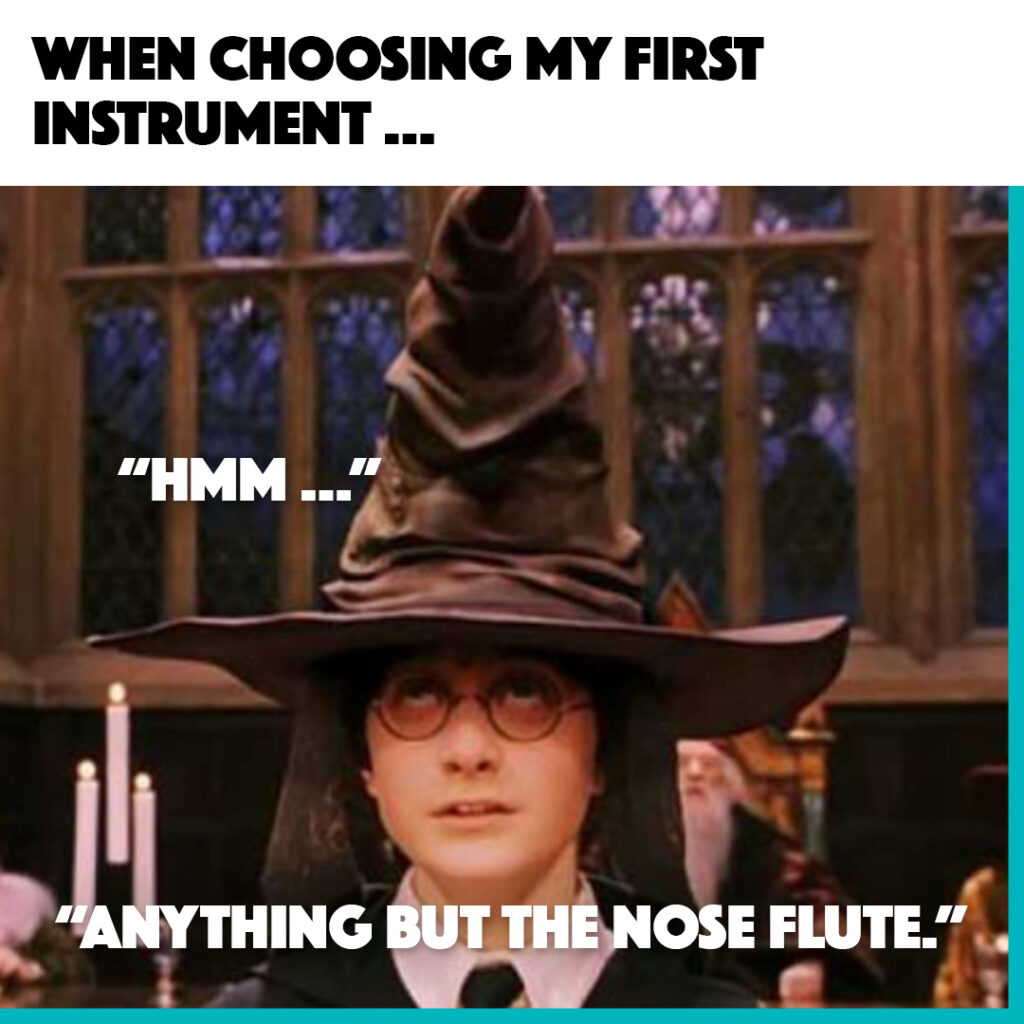
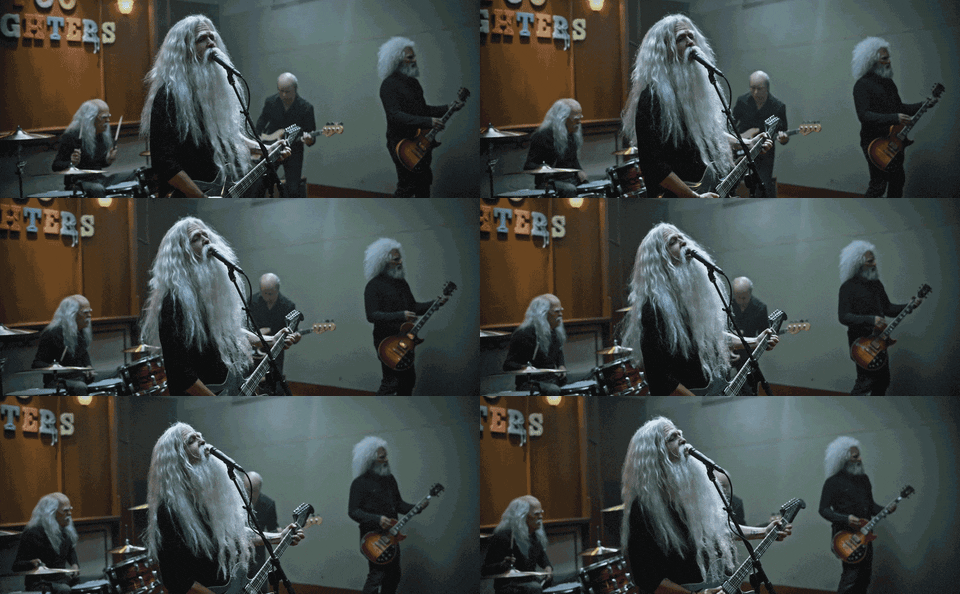
Fortunately, though, this doesn’t mean that we lose our ability to learn with adulthood. In fact, the brain continues to develop throughout our adult lives. And this applies not only to mental abilities. On the contrary: a study by the University of Copenhagen has shown that older participants actually have an advantage and make faster progress than children when learning certain motor skills, particularly during the early stages of training. And the outdated notion that the brain is fully ‘wired’ by the age of about 25 and that it’s all downhill from there has, thankfully, now been scientifically disproved. Perhaps the best example is one of our customers, who took up the drums at over 70!
How we stand in our own way
So we keep learning throughout our entire lives, right into old age. The skills we acquire in the process are as varied as life itself: we take on new challenges at work, learn to use new technology (apart from my grandmother, perhaps!), learn to bring up children, figure out how to do our tax returns and maybe even learn a new language. So why do so many adults have limited faith in their ability to learn an instrument, to the point where they don’t even give it a go?
The reason probably lies in the fact that, as we grow up, we also pick up a few habits that can really get in the way. We learn to question everything. We learn to protect ourselves by steering clear of embarrassing or uncomfortable situations, or by avoiding situations where we might make mistakes. And we learn to constantly compare ourselves with others. All these things can prevent us from approaching the subject as openly and without prejudice as a child would. That’s why the most important tip is this: cast all your doubts aside! Of course you can do it!
Learning an instrument as an adult is good for the brain!
Like so many things, however, this is of course easier said than done – that notorious ‘inner demon’ is, unfortunately, a tough nut to crack. That’s why we’ve put together a few insights to help you along the way. After all, this is something else we learn as adults: to base our actions on facts and sound reasoning.
One of the best reasons for learning an instrument as an adult is this: making music keeps you young – quite literally! If you learn an instrument in your 30s, 40s or 50s, you’re actively helping to exercise your grey matter and keep your brain fit.
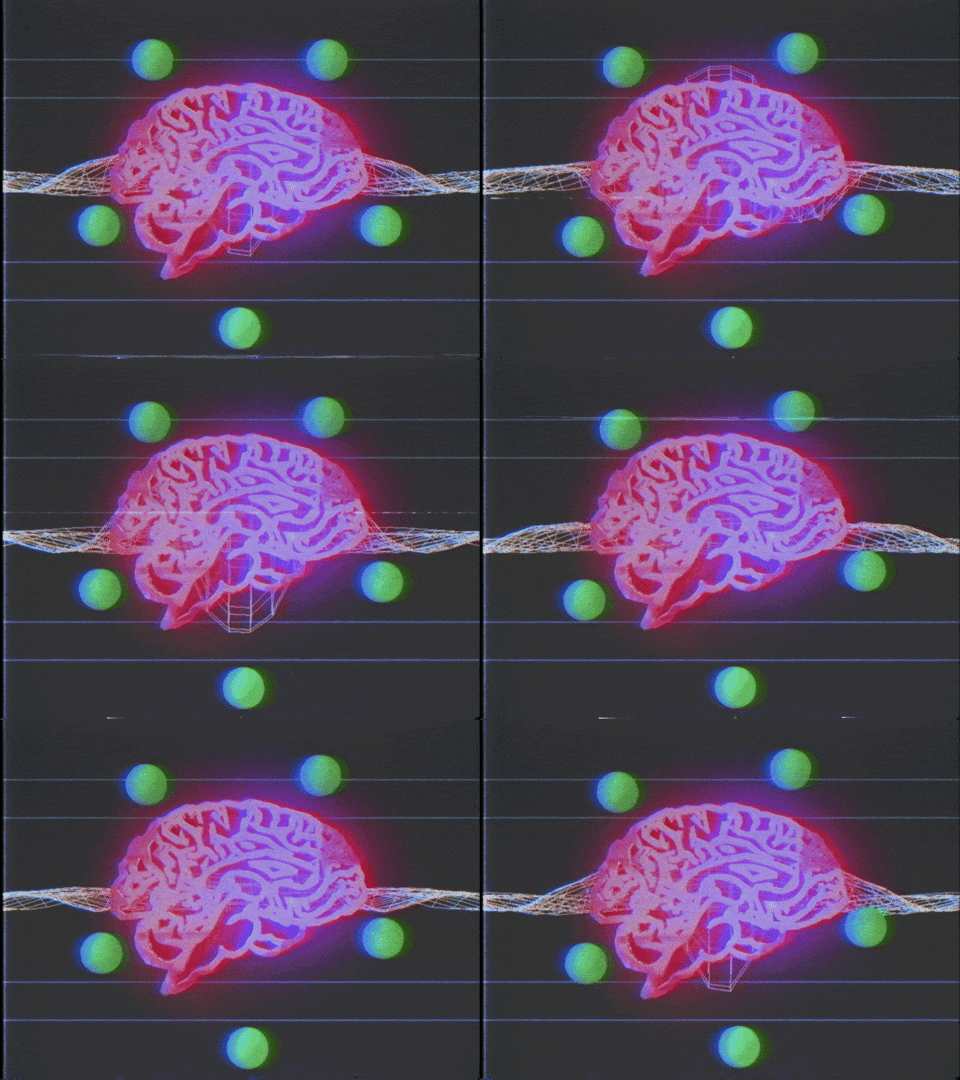
An AARP study has shown that actively making music not only makes you happier, but also boosts the brain’s cognitive functions. In fact, it activates pretty much the entire brain, including various memory regions, motor functions and the neural networks responsible for well-being, learning, quality of life and happiness. Apart from making music, there is only one other activity that has a similarly positive effect: taking part in social activities. It is therefore particularly effective when the two go hand in hand – and music can act as a gateway to this too!
Another study also concludes that making music in later life can improve cognitive abilities. It particularly emphasises that making music helps form a close link between perception and motor skills – more so than almost all other activities.
Learning an instrument as an adult promotes mental health
“An apple a day keeps the doctor away” – if the daily dose of fruits and veggies prevents you from catching the flu, could a daily practice session on the piano, guitar or drums perhaps spare you a visit to the therapist? We wouldn’t go quite that far, but it has been scientifically proven that making music is good for your wellbeing and mental health. Making music triggers the release of neurotransmitters such as dopamine and oxytocin, which reduce stress and anxiety and help prevent depression. What’s more, playing music can strengthen social connections and help prevent loneliness. And there is plenty of evidence to suggest that the stimulation of the entire brain through making music reduces the risk of developing dementia.
How to learn an instrument as an adult
For children, making music is often simply another activity alongside school, sports and their social circle – something they ‘pick up’ almost incidentally and integrate into their daily lives without much difficulty. Adults, on the other hand, need to take a more deliberate approach. After all, there are various other commitments to fit in: alongside work, family, household chores and other hobbies, there is often little time left for practising.
What’s more, adults usually want to learn in a more self-directed way. It is therefore important to choose an instrument and select pieces of music that match your own interests. To put it another way: if you’ve secretly dreamt all your life of playing the drums in a rock band, there’s no point in starting with the flute instead. If you’re going to do it, do it properly!
A good teacher will take your personal preferences and goals as an adult beginner into account and work with you to choose pieces that suit you. Your learning objectives and daily practice routine should also be tailored to what you can fit into your daily schedule. After all, you’re doing it for yourself!
Another way for adults to learn an instrument at their own pace is through online music courses. There is now a wide range of professionally designed and well-structured online courses for various instruments, which are based on modern teaching methods. The advantage is that you aren’t tied to fixed times and can learn at your own pace. This also makes it easy to try out different instruments without having to start looking for a teacher straight away. Why not give it a go?
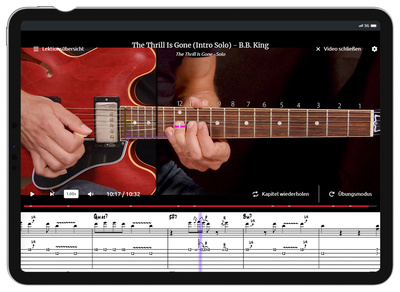
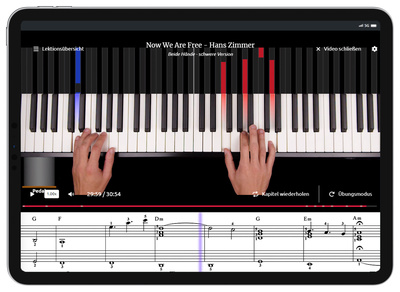
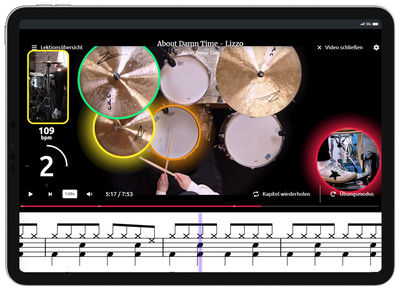
Despite the advantages of online courses, however, it’s clear that ambitious beginners – especially adults – make faster progress in the long run when they’re guided by an experienced teacher. This is because the teacher can focus specifically on your strengths and weaknesses and tailor the lessons to your personal needs. And some people simply need the proverbial ‘kick up the backside’ every now and then to stay on the ball – especially when everyday life gets in the way again.
Which instrument is best suited for adults?
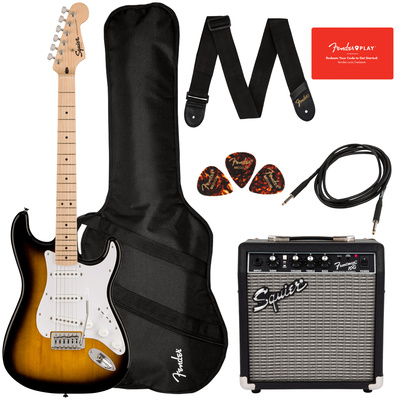
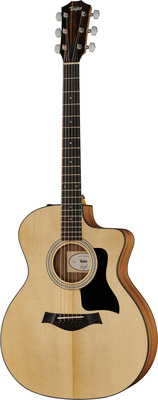
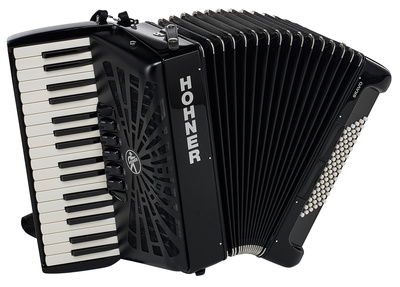
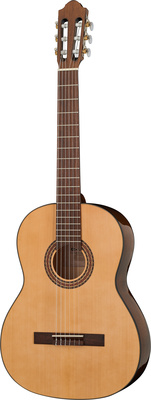
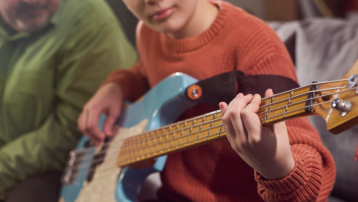
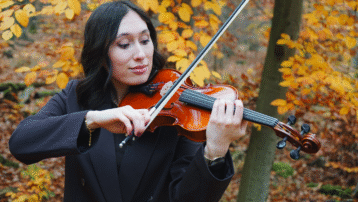
Fortunately, the answer to this question is very simple: the right instrument is the one you want to play. Perhaps you’ve always dreamt of playing the electric guitar and taking centre stage. Or maybe you wanted to learn to play the piano as a child, but your parents didn’t have the space or the budget for the instrument and the lessons. Perhaps you’re fascinated by the saxophone, the cello or the alto recorder. As an adult beginner in particular, you should listen to your inner voice when choosing an instrument – after all, it’s about fulfilling a dream.
If there’s one piece of advice, it’s this: it’s worth investing in a high-quality instrument right from the start. Because if the instrument rattles, squeaks, and doesn’t sound the way you imagine it should, your motivation will quickly fade (by the way, this applies to children too!). But don’t worry: you don’t have to spend a fortune. There’s now a wide range of high-quality beginner instruments available that don’t cost much but still offer you every opportunity to make rapid progress. Throughout this article, you’ll find a few tips covering various instrument groups.
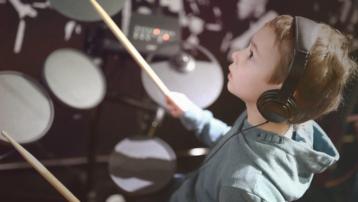
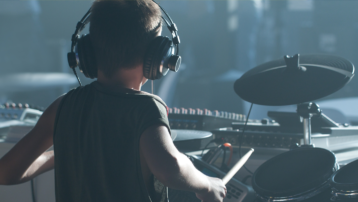
And here’s another tip: adult beginners in particular sometimes find their first tentative attempts at playing a new instrument a bit embarrassing. Unless you’re blessed with unshakeable self-confidence, the feeling that your family – or even the neighbours – might be listening in whilst you’re trying to coax the first notes out of your instrument can be quite nerve-wracking at first. But there’s a solution for that too! Nowadays, you can practise many instruments quietly using headphones.
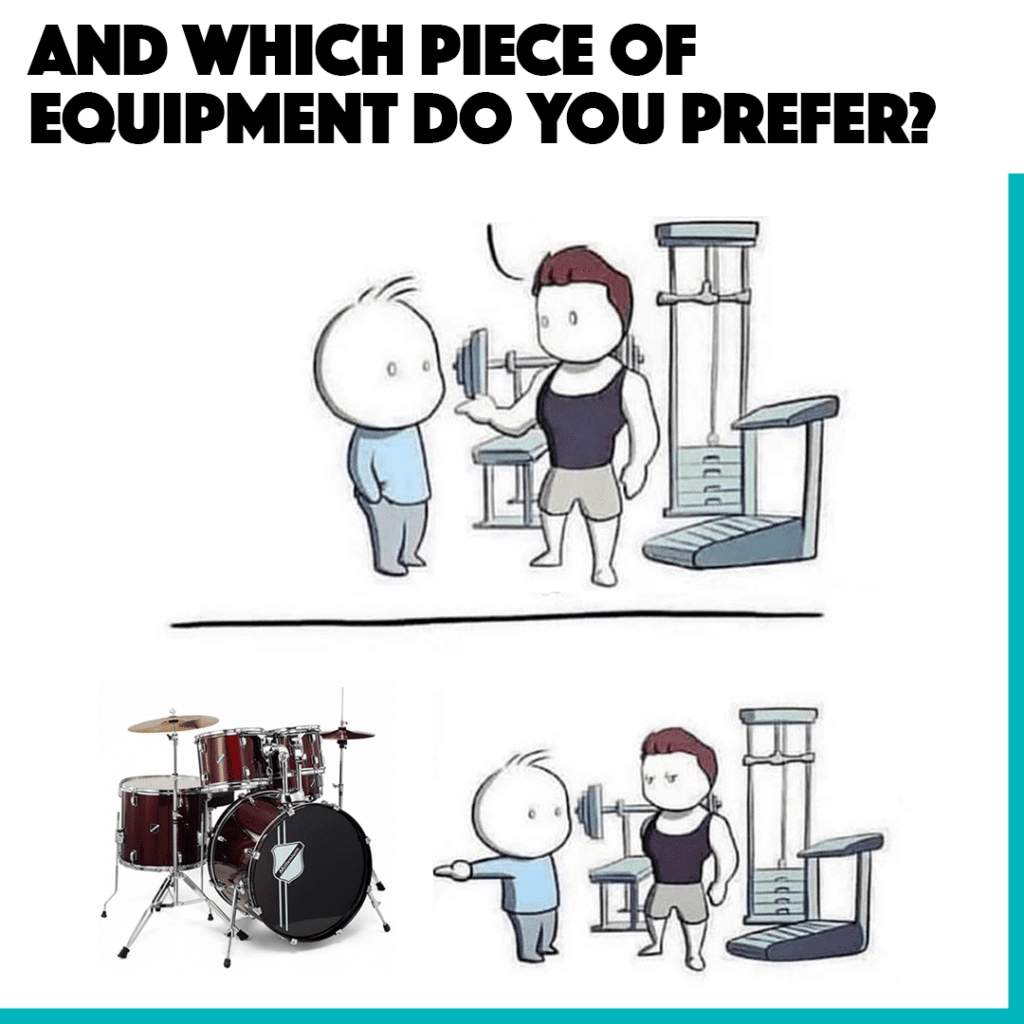
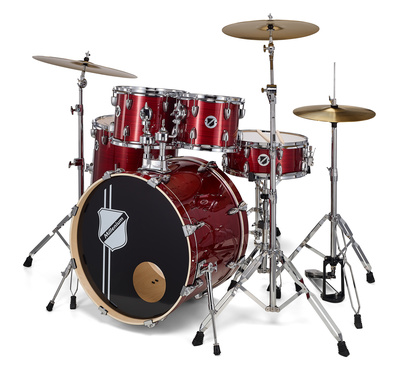
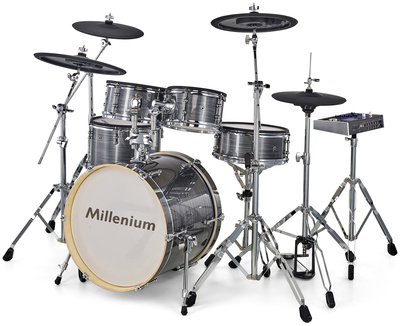
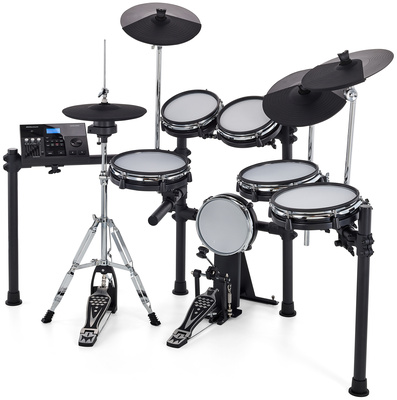
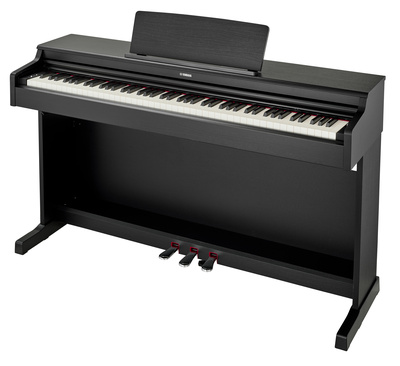
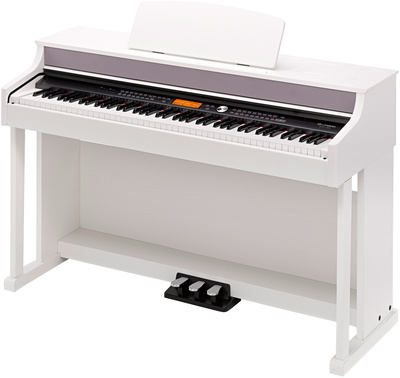
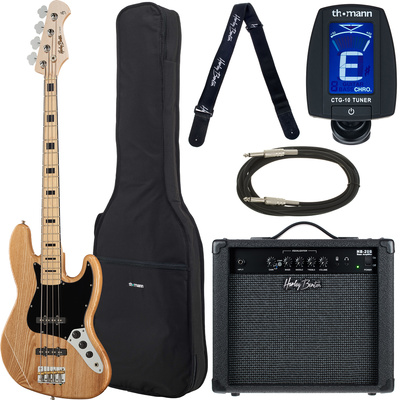
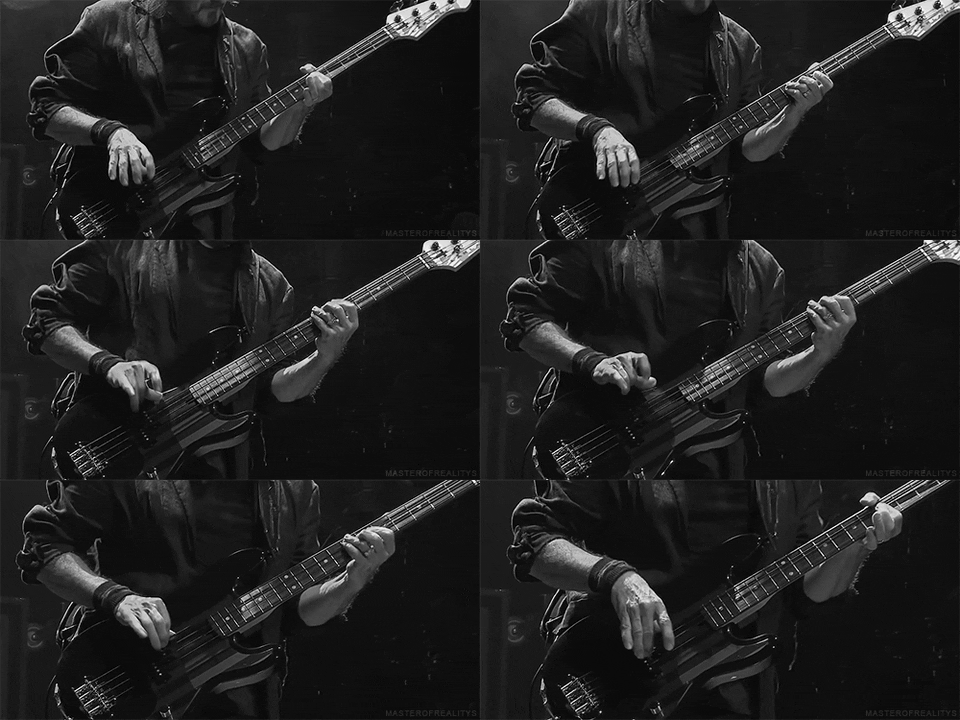
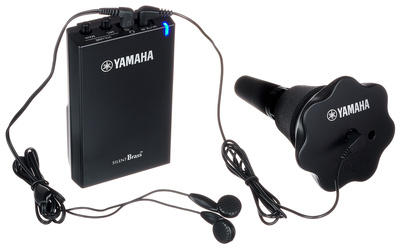
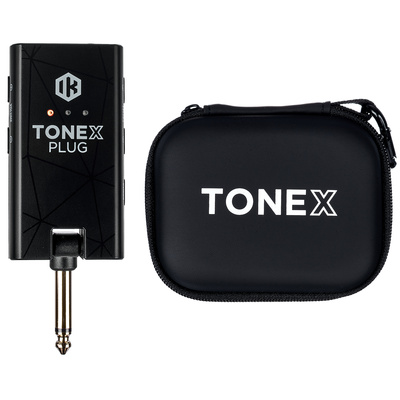
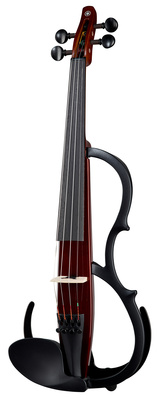
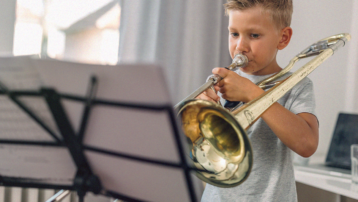
Modern digital pianos now come very close to the feel and sound of a real piano. Electronic drums, too, are hardly inferior to their acoustic counterparts in any respect. For electric guitar and electric bass there are tiny headphone amps that you can plug straight into the instrument. For wind instruments such as the saxophone, trumpet and trombone, so-called ‘Silent Brass’ systems are available; these are inserted into the bell and effectively prevent the sound from escaping outwards. And even the violin, cello and other string instruments are now available in silent versions.
Learning an instrument as an adult: What are you waiting for?
As you can see, learning an instrument in your 30s, 40s or even 70s isn’t just possible – it can actually enrich your life incredibly. Making music reduces stress, makes you happier and keeps your brain sharp. Learning an instrument is one of the most wonderful things you can do for yourself as an adult. It’s never too late to start!
If you’re still not sure which instrument is right for you, or if you have any further questions, our experts in our various departments will be happy to help! You can contact them by phone on +49-9546-9223-66, by email or via the chat function on our website. Or why not pop into our large shop in Treppendorf and be inspired by the breathtaking variety of instruments!
Your Feedback: First Instrument – Learning an Instrument Over 30
Have you also learned an instrument relatively late in life, or do you still want to learn one? What experiences have you had? We look forward to your comments! ✍






Comments 2