






Your first mix setup usually comes down to one budget decision: studio monitors or headphones. Both serve different purposes, but before purchasing either, it’s worth understanding what should be driving your decision.
Why can’t I just buy monitors AND headphones?
Well, you could – and most producers with a decent budget will eventually want both monitors and headphones. In fact, you might already own both, but there’s a difference between playing music through your existing speaker setup or headphones (especially earbuds) and buying gear that’s suitable for music production.
That leaves many amateur producers facing a choice: monitors or headphones? Let’s start by assuming you have a fixed amount to spend, but it’s not enough to cover both. The first thing to recognise is that monitors come with an extra catch: they’ll almost certainly need some form of acoustic treatment of your room to sound trustworthy. Headphones don’t ask that of you.
Before we examine which to buy first, it helps to be clear on the intrinsic differences between the two. It may sound obvious, but monitors and headphones are not interchangeable because they’re not doing the same job.
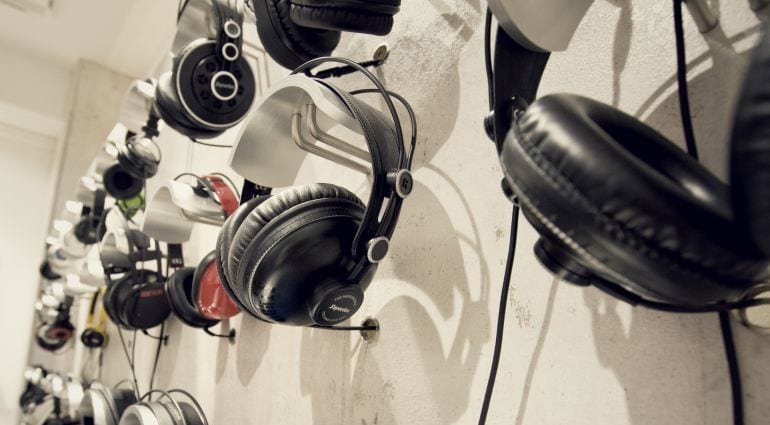
What’s the advantage of headphones over monitors?
The major appeal of headphones is that there’s no need for acoustic treatment and no angry next-door neighbour banging on the wall at 11pm! Headphones put the entire mix directly in your ears with the room taken out of the equation, which is pretty important if you don’t have a suitable room for monitors or need to keep the volume down.
Headphones are portable, cheap – even a genuinely good pair – and wonderfully effective at catching clicks and pops, low-end hum or spotting an effect that you’ve panned slightly wrong. Whether you’re producing in your bedroom, at the kitchen table or on a train or plane, headphones are the only option that works everywhere.
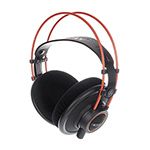
It’s also worth knowing that headphones are typically split into two camps. Closed-back headphones seal around your ears, keeping sound in and the world out, which makes them the safer pick if you’re sharing a house or apartment.

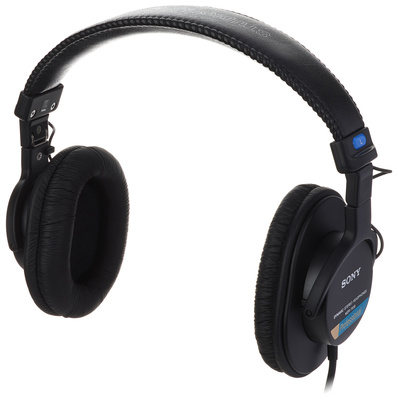
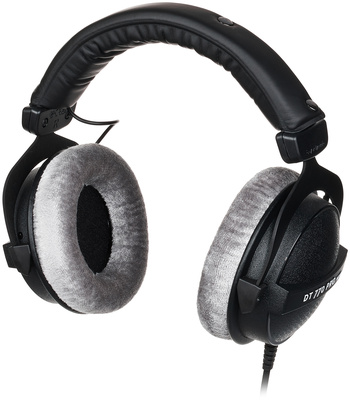
Open-back headphones, on the other hand, let air and sound pass through the ear cup, giving a more natural, less fatiguing image at the cost of leaking audio into the room and letting room noise back in.


If isolation matters to you, it’s best to go closed-back, but if you’ve got a quiet space and want your headphones to feel less like they’re sitting inside your skull, then open-back is your best bet. Note that a genuinely usable pair of headphones suitable for mixing will start from around £30-50, with the more confidence-inspiring options from around £100.
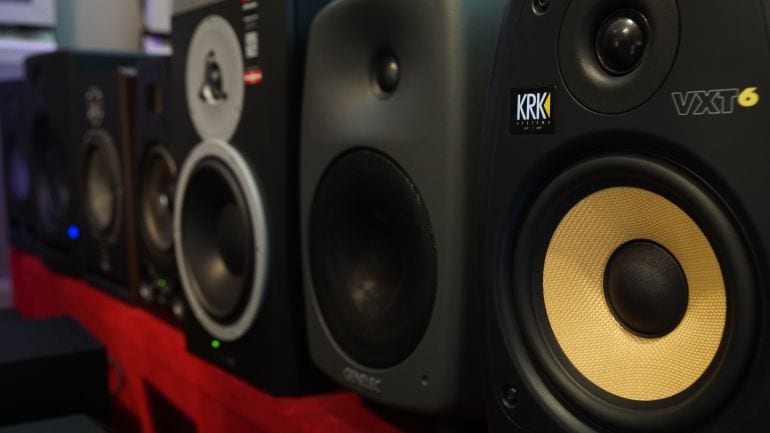
What can studio monitors do that headphones can’t?
Unfortunately, headphones have limits too. Low end is hard to judge on them because you lose the physical sensation of bass that you get from speakers, and your room isn’t contributing to what you hear. Because each ear only hears its corresponding channel, stereo width can sound exaggerated, and long sessions at high volume can tire your ears quite quickly.
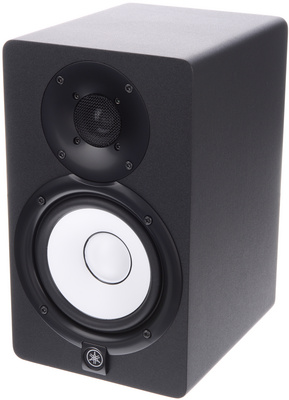
Headphones sit inside your head; studio monitors do the opposite by pushing sound into a physical space and making it part of the listening experience. In your room, every wall, corner and hard surface changes what you hear, which is why monitors almost always need acoustic treatment to be trustworthy.
Done properly, however, monitors will train your ears in a way that headphones can’t. They’ll teach you how sound behaves in space and get you much closer to how music behaves in a real listening environment.
One more thing worth getting right is monitor size. Bigger monitors move more air and dig deeper into the low end, but in a small room, that extra bass has nowhere to go and tends to pile up in corners, distorting what your mix actually sounds like. For that reason, a pair of modest 3-5″ monitors in a small, treated room will usually serve you better than a pair of 8″ monitors that overpower the space.
In terms of cost, entry-level monitors suitable for mixing start from around £120-150 a pair before you’ve spent anything on treatment.


What should decide whether you buy monitors or headphones first?
It’s worth saying upfront that this isn’t a question of monitors being the default choice and headphones being what you settle for if your room doesn’t cooperate. In practice, your space is going to be the deciding factor, so the first question to ask is whether you actually have a dedicated area or whether your “studio” is really just a bedroom or shared room that you’re not allowed to modify.
If you’re renting, it’s worth being frank with yourself about how much control you really have over the acoustic treatment of a room and whether you can start bolting bass traps to a landlord’s walls.
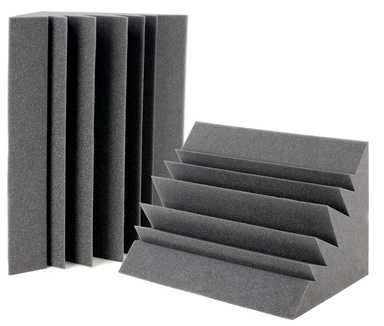
Meanwhile, square bedrooms are notoriously difficult to treat, and an expensive pair of monitors plus treatment can genuinely be worse than a decent pair of headphones. For basic acoustic treatment, a handful of foam panels and a couple of bass traps can start as low as £50, although that adds up fast if you’re treating a whole room properly.


How can you decide between monitors and headphones?
If you’re still torn, ask yourself these three questions:
- Can you make noise after dark without a knock on the door?
- Do you own your space, or have permission to treat it?
- Is your room small, oddly shaped or otherwise hard to tame acoustically?
If you answered no to the first two, or yes to the last, headphones are the more honest choice for now. The good news, however, is that any decision you make isn’t permanent. Most producers end up owning both eventually – the only real choice is which one earns your budget first.














Comments 0
No comments yet.