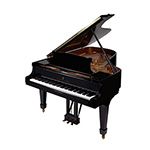
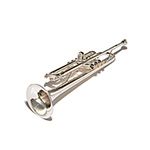
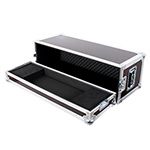


If you’re looking for the right instrument for your children or for yourself and haven’t decided yet, exploring the different instrument families could be very helpful.
Back 2 School
You’re really eager to learn an instrument, but you’re unsure which one suits you best? Whether you are a complete beginner or getting back into it after a break, our “Back 2 School” campaign is here to help you find the right instrument.
Discover our
👉 Back 2 School selection 👈
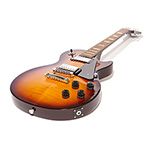
Which instrument is best for you always depends on your preferred style of music. Your motivation to learn will be highest – and stay that way – if you approach your journey with enjoyment. If you play your favourite songs, you’ll automatically enjoy what you’re doing! If you’re into rock and pop, the electric guitar might catch your eye.
If you’re more drawn to jazz, orchestral music or reggae, you could embark on your musical journey with a wind instrument. If you prefer symphonic music, string instruments such as the violin, or wind instruments such as the French horn or the flute, are great options to consider. Let’s have a look at what’s on offer.
Beginners’ instruments for children
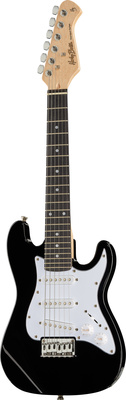
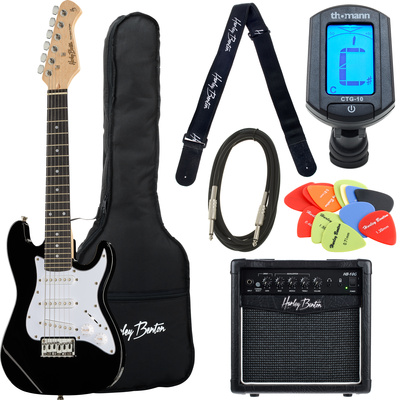
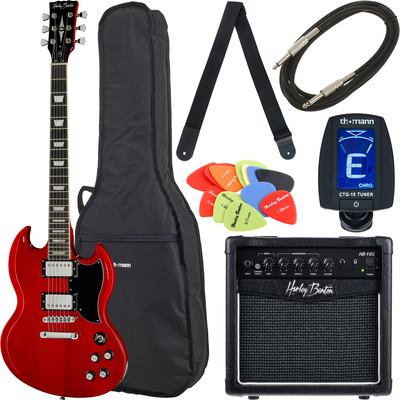
For kids, there are so-called short-scale electric guitars:
Beginners’ instruments for adults
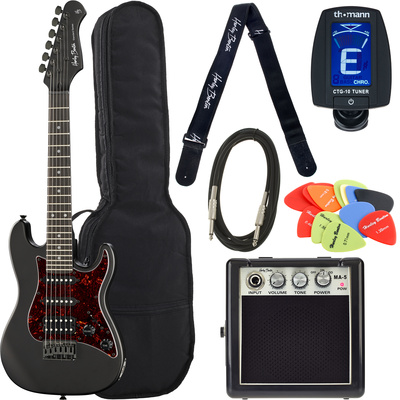
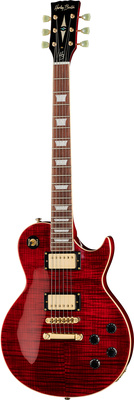
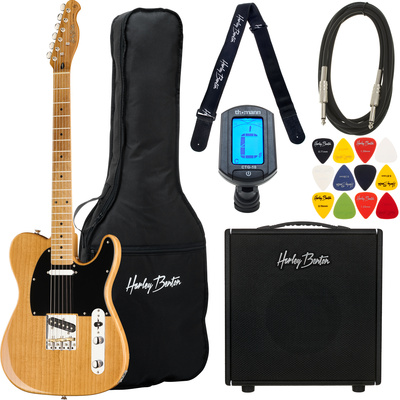
Adults can, of course, go straight for full-size electric guitars:
Wind instruments
Let’s start by taking a look at wind instruments. Broadly speaking, these are divided into two sub-groups: woodwinds and brass instruments. Whilst one might initially assume that the term refers to the material from which these instruments are made, this is in fact a misconception. Rather, the classification is based on the way the sound is produced. Fancy an example? A saxophone is usually made of metal.
However, the sound is produced by blowing across a reed mounted on the mouthpiece. Even though plastic reeds are now available, traditionally they were – and still are – mostly made of wood. And that’s precisely why the saxophone is classified as a woodwind instrument, even though its body consists of metal. The situation is different with the trumpet, for example. As its mouthpiece is always made of metal, it belongs to the family of brass instruments.
Woodwind instruments
If you’re drawn to the sound of woodwind instruments, you’ll discover a range of highly popular classics in this family of instruments, as well as some more exotic ones that are rarely encountered outside of their ethnic region of origin. The classics include, among others, the recorder, the flute, the saxophone, the clarinet, and the English horn. The double-reed instruments – the bassoon and the oboe – are particularly at home in classical music, though they are hardly suitable for beginners. As examples of more exotic woodwind instruments, the bagpipes, the didgeridoo or the gigantic alphorn will captivate you with their distinctive sound and personality.
Beginners’ instruments for children
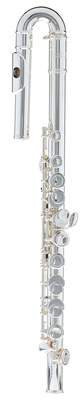
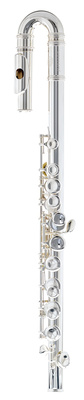
Flutes with a curved headjoint are particularly well-suited to children:

Beginners’ instruments for adults
Adults might opt for a professional flute at a reasonable price:



Brass instruments
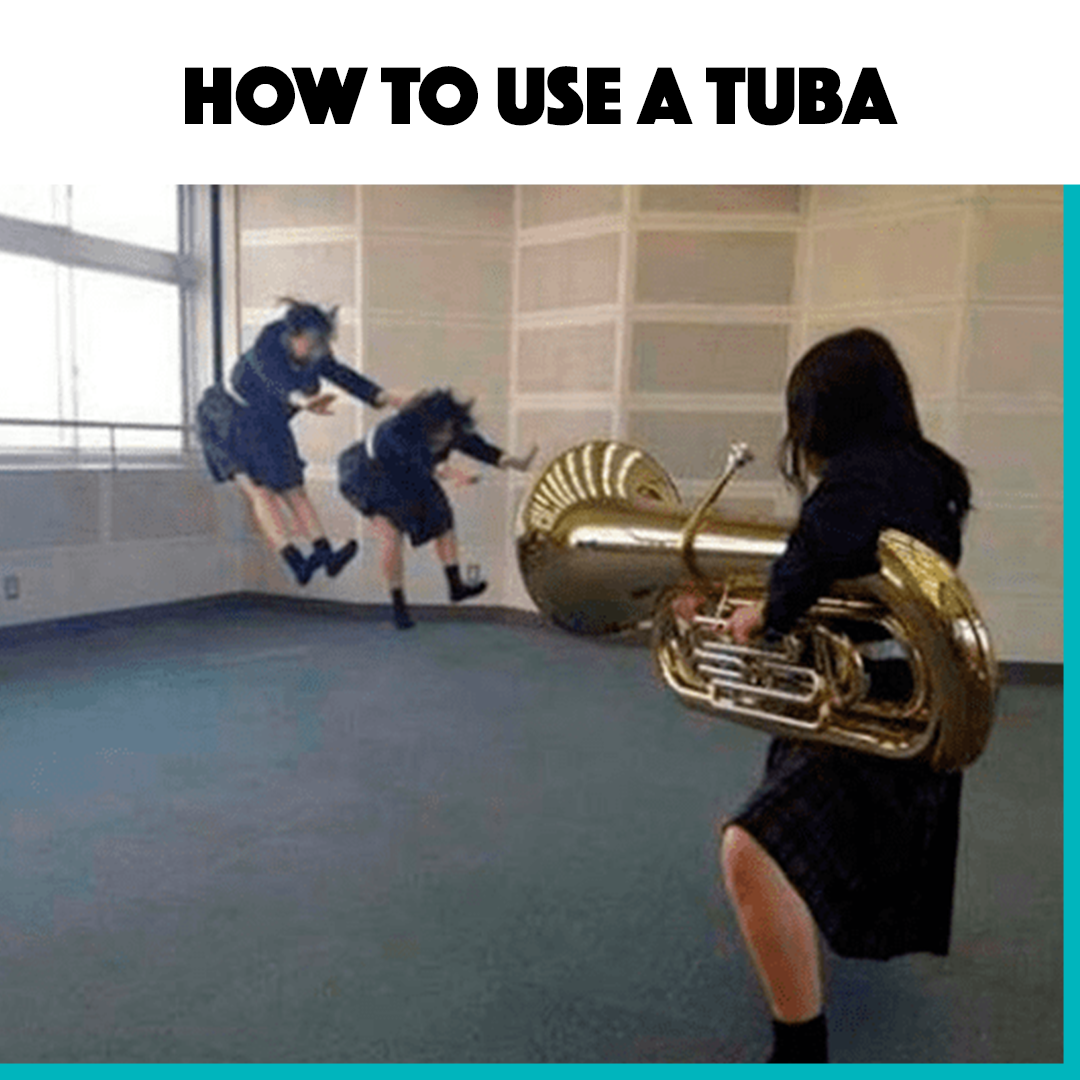
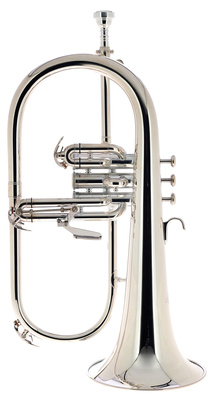
The next branch in the family tree is brass instruments. As mentioned above, the family name derives from the material of the mouthpiece. The most prominent examples are undoubtedly the trumpet, the cornet and the flugelhorn, as well as the trombone, the tuba, and the French horn. Certain more specialised brass instruments are also popular, such as hunting horns – namely the Fürst-Pless horn and the larger parforce horn.
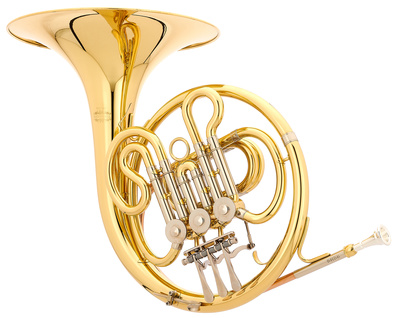
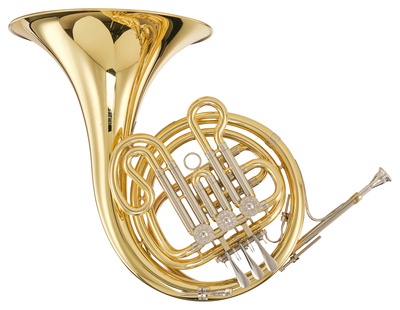
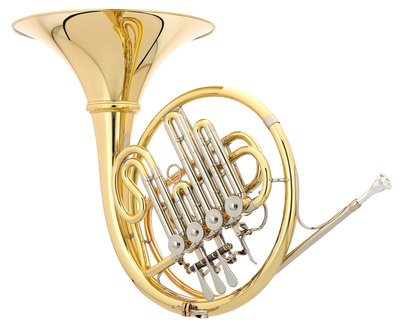
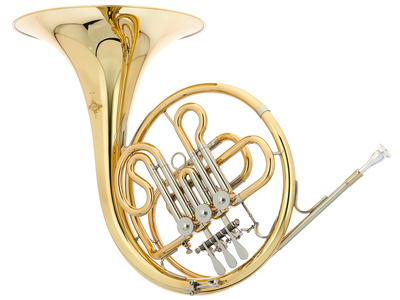
Some brass instruments are available in versions specifically designed for children, such as the French horn. Children under the age of 10 usually start with a special children’s horn, as standard French horns are far too large, heavy and unwieldy for them. Adults are less concerned about the instrument’s size, but would be well advised to opt for a Bb horn to begin with, as this is easier to play than the classic F horn because the natural harmonics are further apart and easier to hit.
Beginners’ instruments for children
Ideal for getting started early:
Beginners’ instruments for adults
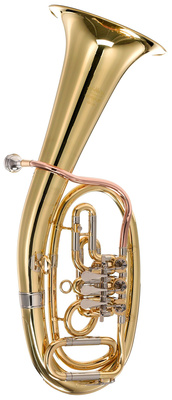
It makes sense for adults to start with a Bb horn:
Instrument categories by age and difficulty level
Another way to decide on an instrument is to consider the generally accepted recommendations as to which instruments are suitable from which age onwards. Instruments can be categorised into groups based on their level of difficulty and the physical challenges involved.
The boundaries are, of course, fluid; every child is unique and develops in their own way. But, let’s generalise a little and make an attempt, starting with the very youngest, aged around 3 to 5 years. Kids in this age group can benefit from basic percussion instruments such as claves, rattles and drums, which help to develop motor skills and an understanding of rhythm from an early age.
Never overwhelm children
Always bearing in mind the principle of not overwhelming children, musically ambitious youngsters aged around 4 to 5 could be introduced to the recorder, and a little later – at primary school age – to a children’s guitar (available in various kid-friendly sizes) or the slightly smaller ukulele. Although the violin and cello are considerably more difficult, it’s best to start early – around the age of 6 to 8. Here, too, the advantage is that these are so-called ‘growing’ instruments, meaning they are available in different sizes.
Beginners’ instruments for children
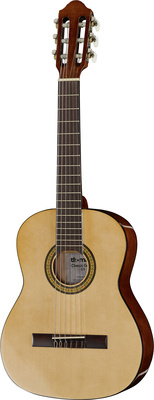
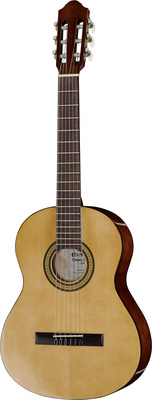
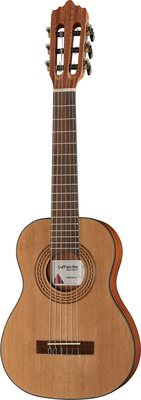
For children, there are beginners’ guitars in kids’ sizes:
Beginners’ instruments for adults
Adults might want to start with a 7/8 guitar:
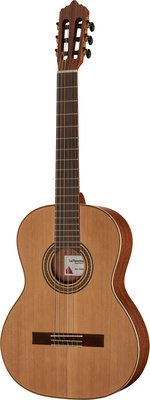
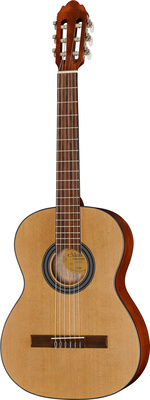
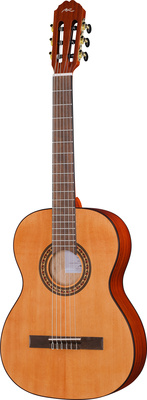
Or they can opt for a full-size guitar:
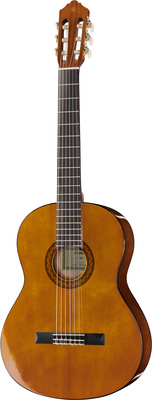
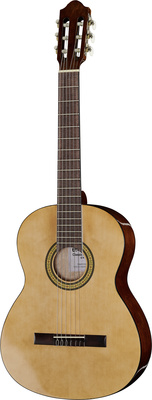

Where there’s a will …
If a child wants to play the drums at an early age, then go for it. You shouldn’t stand in the way of a firm determination when it comes to learning an instrument. The more complex wind instruments, on the other hand, require a certain level of physical strength, and this involves more than just the ability to hold the instrument. Things like lung capacity, controlled breathing, and body tension must also be considered. For these instruments, the optimal starting age is around 8 to 10. This is also because the child’s permanent incisors will probably have come through by then.
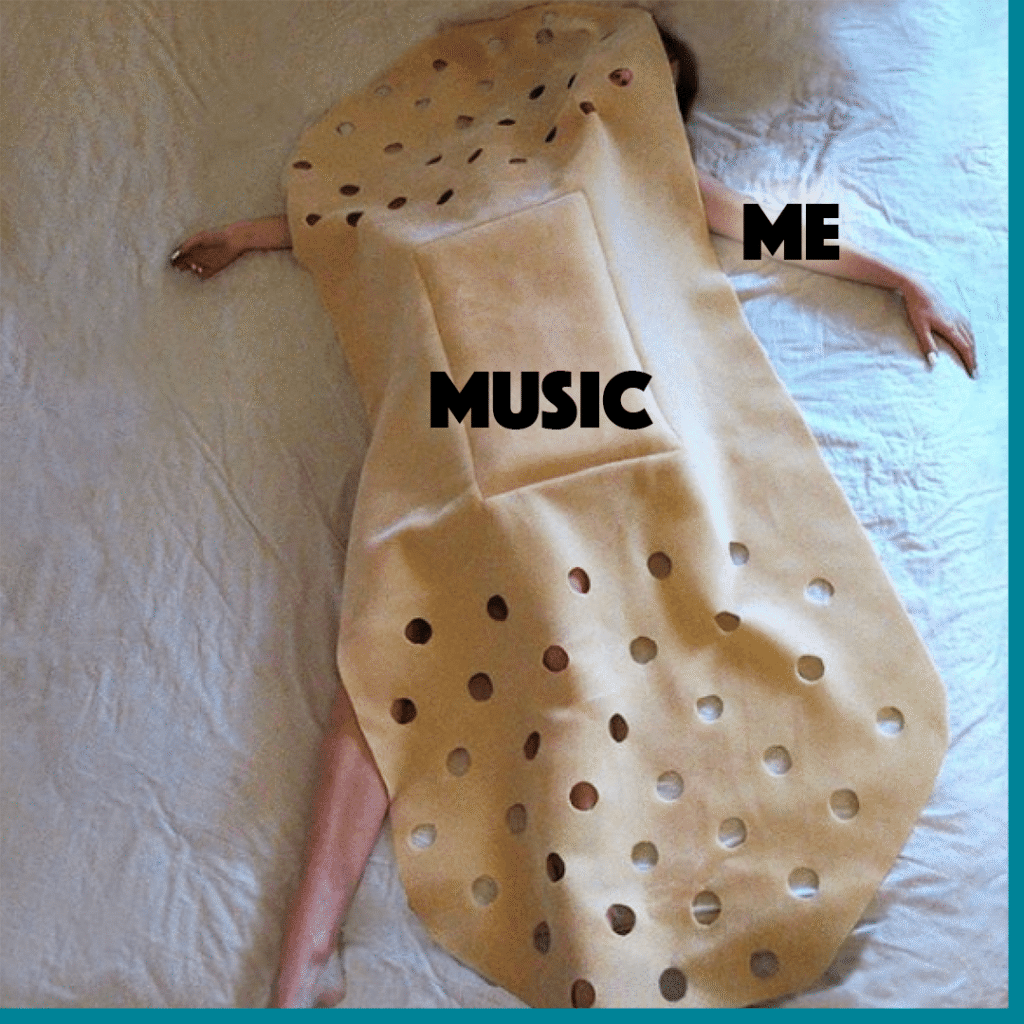
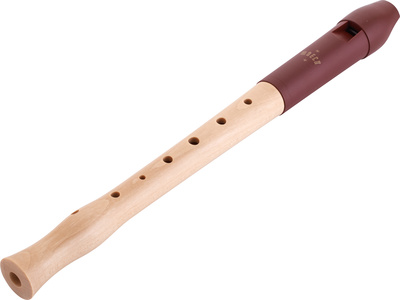
This answers the question of how difficult the various instruments are to learn and play, and which ones might make the cut as a first instrument for children or adults. For very young children, the recorder is still the most commonly chosen beginners’ instrument; this is particularly because producing sound on it is relatively easy and the instrument quickly provides a sense of achievement that boosts motivation.
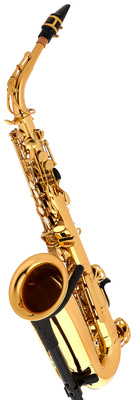
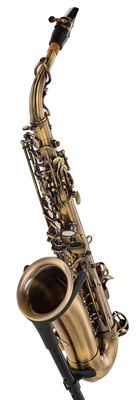
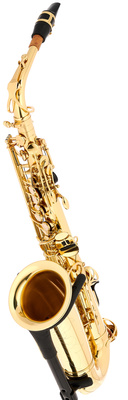
It’s also worth noting that a decent recorder won’t put too much of a strain on your budget. Things become considerably more complex – and also more expensive – with instruments such as the clarinet or the flute. Children and teens, as well as adults with small hands, can benefit from instruments designed specifically for these groups in terms of ergonomics, such as flutes with a curved headjoint. As an adult beginner or someone returning to music, you might feel drawn to the saxophone with all its facets. An instrument that, quite literally, requires some perseverance when it comes to learning and playing. But you can do it!
Beginners’ instruments for children


Beginners’ instruments for adults
String instruments
String instruments can also be divided into (at least) two distinct categories. The two broad families are plucked instruments and bowed instruments. It is easy to imagine that the guitar in all its forms – whether electric, classical, or steel-string acoustic – tops the popularity charts as one of the most popular plucked instruments, even though it is often not actually plucked, but rather strummed.
The equally popular bass, particularly the electric bass, is responsible for the lower notes. More exotic examples of plucked string instruments include the banjo, the mandolin and the very fashionable ukulele. Others are at home in traditional folk or classical music, such as the zither, the hammered dulcimer and, above all, the beautifully sounding harp.
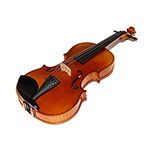
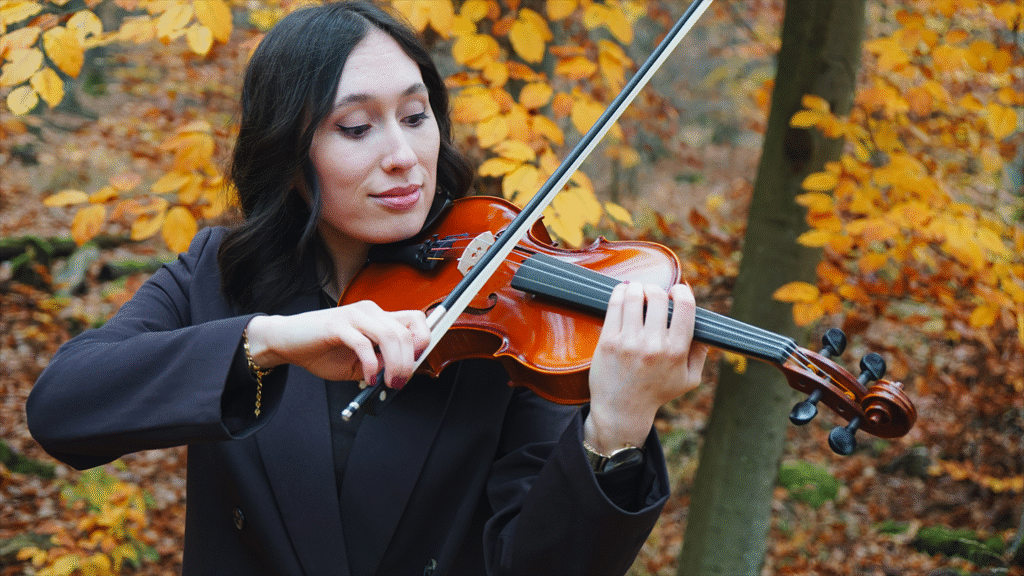
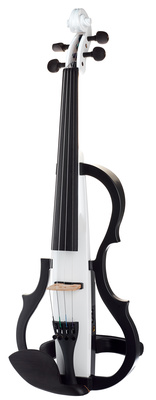
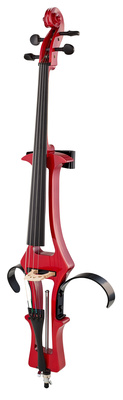
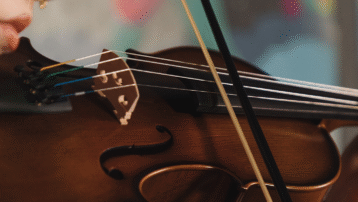
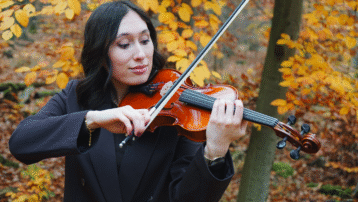
Let’s turn our attention to bowed string instruments, which are mostly associated with the classical realm. The popular frontrunner is the violin. Stars such as David Garrett, in particular, have demonstrated just how contemporary and versatile the violin can be. The viola, the cello, and, even more so, the double bass have a slightly warmer and deeper sound.
Beginners’ instruments for children
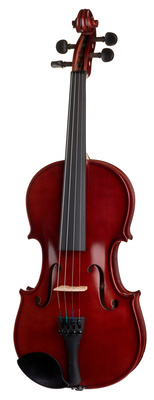
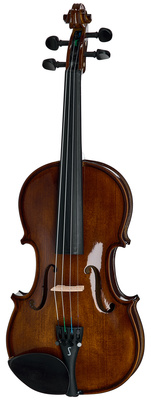
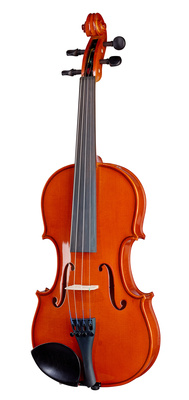
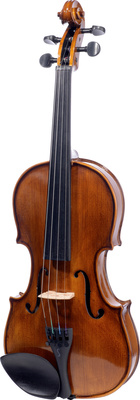
Just like student guitars, violins are also available in child-friendly sizes:
Beginners’ instruments for adults
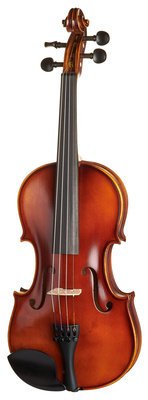
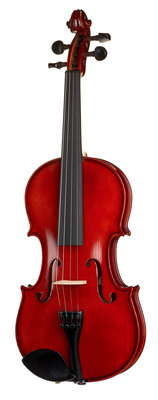
Adults don’t have to spend a fortune straight away either:
Percussion instruments
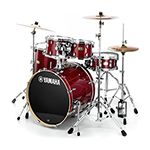
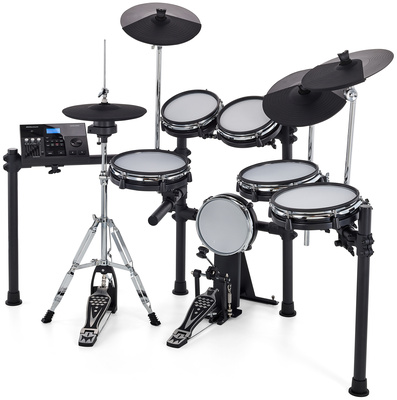
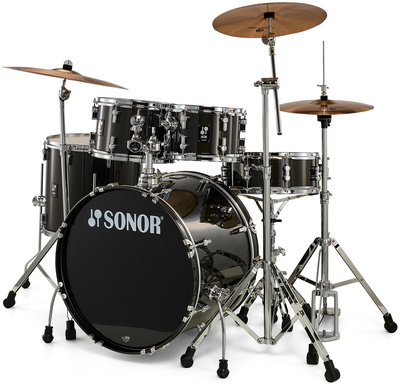
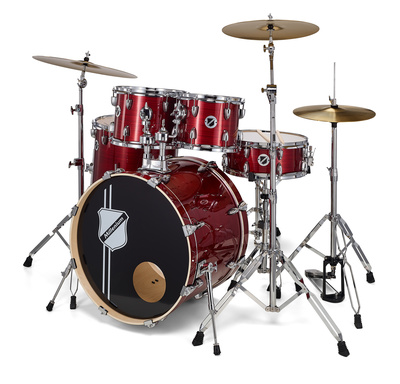
When we hear the term ‘drums’, most of us immediately picture a drum kit in our mind’s eye. A typical drum kit comprises various drums and cymbals; sometimes, percussion instruments are also added. However, the drum and percussion family includes countless other instruments beyond the scope of a drum kit, such as marching drums, timpani and the bongos.
For several years now, the cajón – the ‘musical crate’ – has been soaring up the popularity charts. Percussion instruments such as the guiro, various rattles and the triangle allow for a wide variety of rhythms. And the xylophone, vibraphone and metallophone are all equally suitable for early musical education as well as concert music.
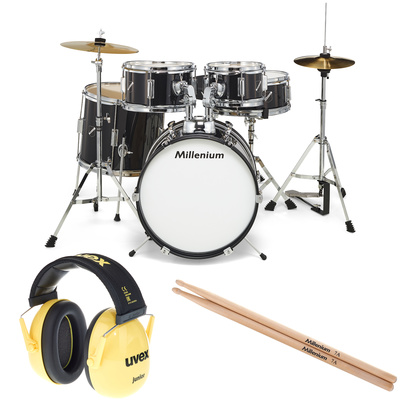
Beginners’ instruments for children
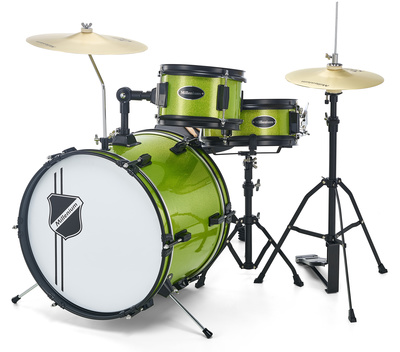
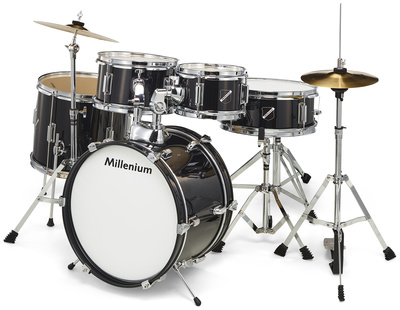
Even kids can let off steam on the drum kit:
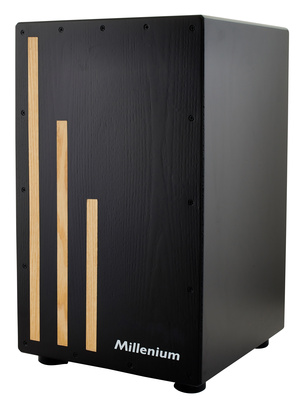
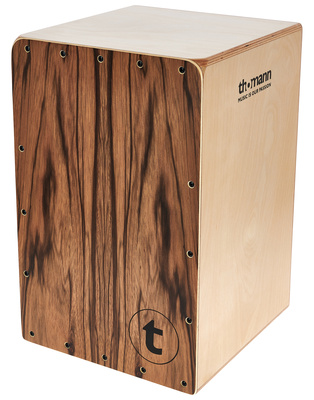
Beginners’ instruments for adults
The cajón is becoming increasingly popular amongst adult beginners:
Keyboard instruments
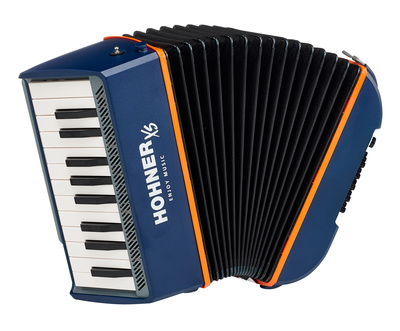
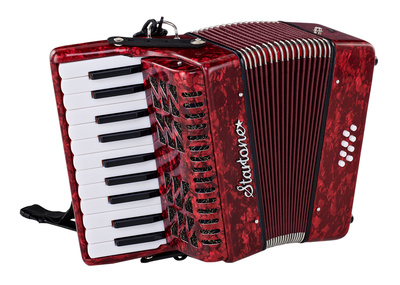
Let’s move on to keyboard instruments and start by committing a deliberate faux pas. The accordion is an easy-to-learn and popular instrument, particularly in its keyboard form, which is why we’ve lumped it in with the keyboard instruments. Strictly speaking, it is of course a bellows-driven aerophone, but let’s not split hairs.
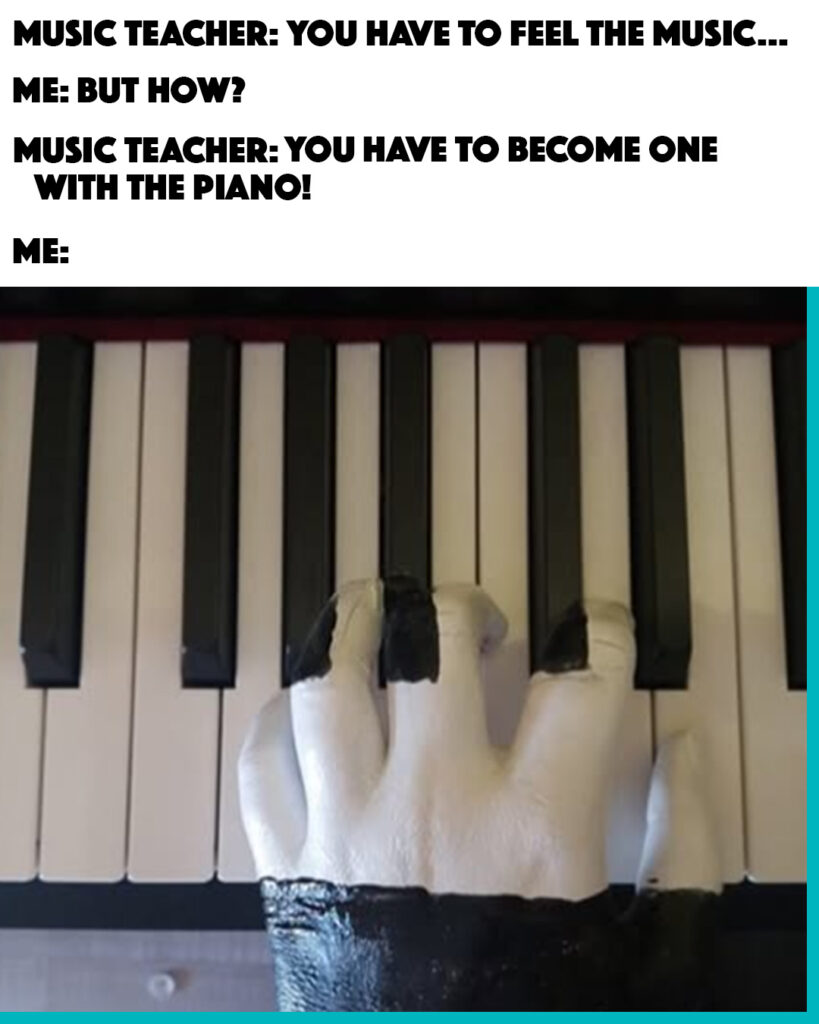
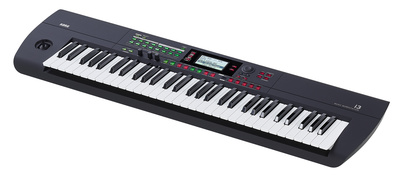
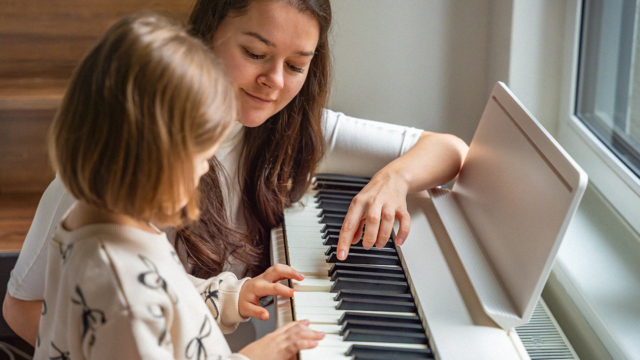
The piano remains highly and consistently relevant amongst keyboard instruments, together with its close relatives: the digital piano, the keyboard, the incredibly versatile synthesizer, and the organ. While the pipe variant of the latter is mostly confined to churches and concert halls, compact electronic organs are also available. One of the most important historic predecessors of modern keyboard instruments is the harpsichord.
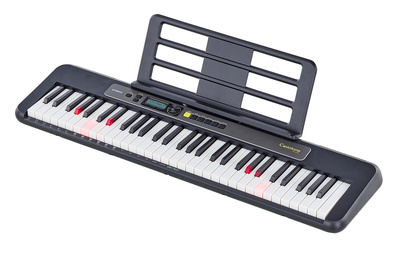
Beginners’ instruments for children
Accordions with a simplified design or keyboards with easy-to-use functions are particularly well suited to children:
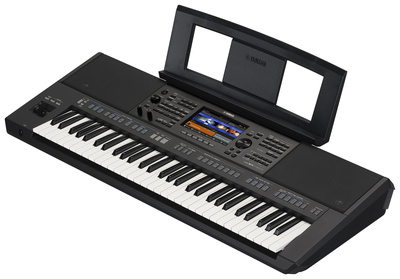
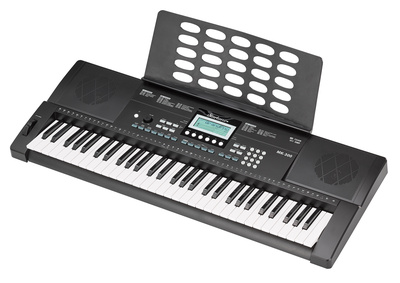
Beginners’ instruments for adults
Keyboards with more advanced features are ideal for adults:
A completely different perspective on instrument groups
When discussing instrument groups, the traditional classification isn’t the only way to approach the topic. For instance, you could look at the common instrument groups normally found in an orchestra, or at those you would typically encounter in a band.
Instrument groups in the orchestra
Instrument groups are defined quite strictly in classical music. In a symphonic orchestra, there are three main instrument families: the strings, the wind instruments, and the percussion, with the wind instruments being subdivided into woodwinds and brass. All in all, that brings us to four instrument groups. And indeed, it has long been common practice to define keyboard instruments, which may or may not be present in an orchestra, as a fifth group. However, not all instruments can be categorised in this manner – for example, the concert harp or ethnic instruments. Naturally, composers have always been pushing the boundaries of these classifications.
Instrument groups in a band
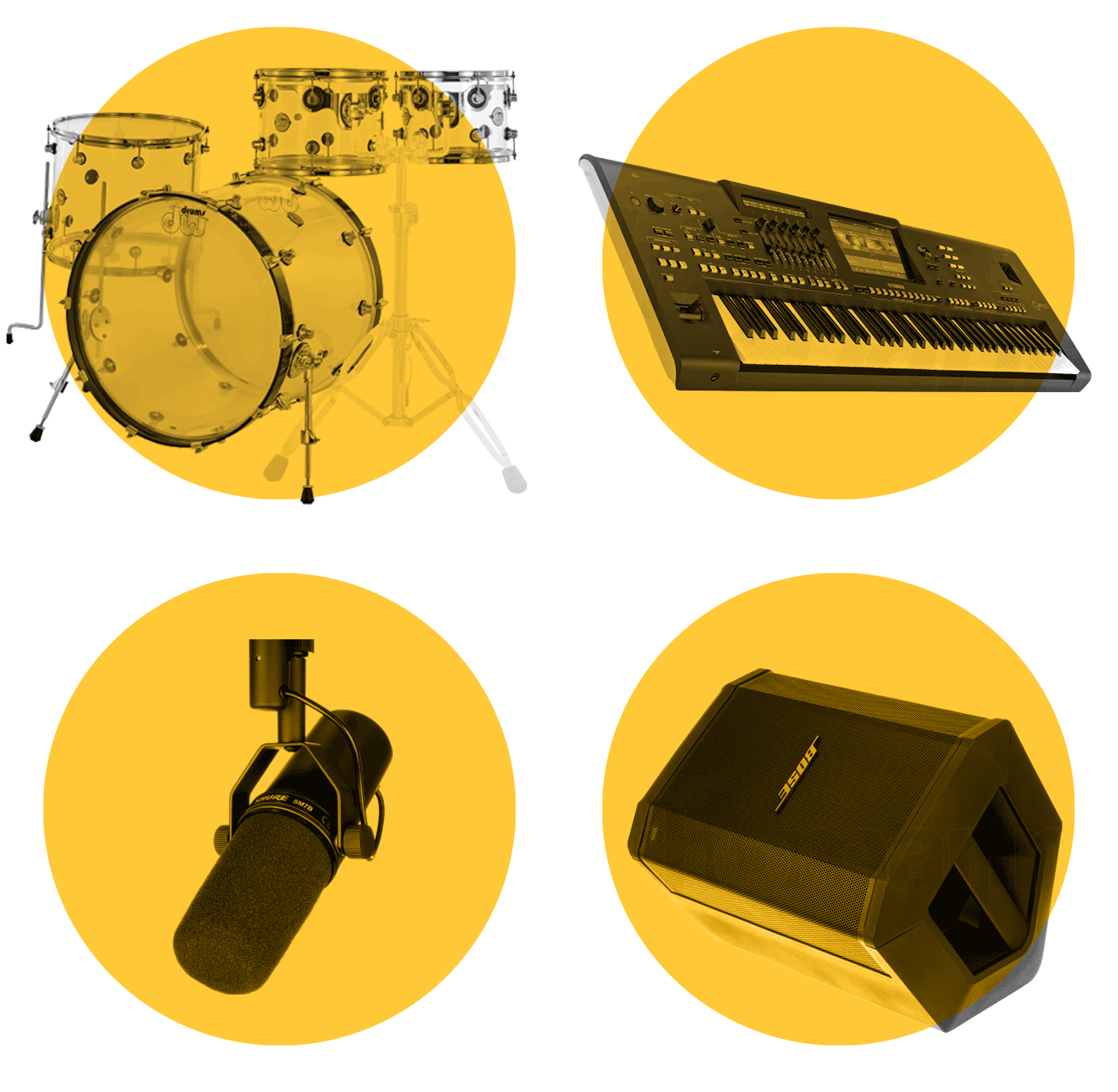
If you’re more interested in popular music, the classification according to classical standards will likely not be relevant to you. In a band, we talk about instrument groups from a different perspective: namely, those that play together directly within the ensemble. The drums and bass work together as the rhythm section and form the foundation of the band, especially in terms of timing.
The keyboard and electric guitar form the group of melody and harmony instruments, occasionally expanded to include a horn section. The electric guitar is often difficult to categorise clearly, as it performs rhythmic duties but also frequently takes the lead with riffs and solos.
Groups of instruments sorted by volume
Volume can also play a decisive role in your choice, particularly when selecting your first instrument. After all, consistent practice is essential when learning. And depending on your living situation, the louder instruments could well cause some friction with neighbours or family members. You might also want to take this aspect into account when making your choice.
| Instruments sorted by sound pressure level | ||
| Plucked instruments | Classical guitar | very quiet to quiet |
| Ukulele | very quiet to quiet | |
| Harp | very quiet to quiet | |
| String instruments | Violin | soft to moderately loud |
| Viola | soft to moderately loud | |
| Cello | soft to moderately loud | |
| Double bass | soft to moderately loud | |
| Woodwind instruments | Recorder | soft to moderately loud |
| Flute | soft to moderately loud | |
| Oboe | soft to moderately loud | |
| Saxophone | soft to very loud | |
| Clarinet | soft to very loud | |
| Brass instruments | Trumpet | loud to very loud |
| French horn | loud to very loud | |
| Tuba | loud to very loud | |
| Trombone | loud to very loud | |
| Percussion | Drums | very loud |
| Timpani | very loud | |
| Percussion | very loud | |
From acoustic to electric instruments
Mind you, this list only refers to unamplified and non-electrified instruments. For instruments that you play through an amplifier or to which you can connect headphones, the situation is quite different. At home, for example, you shouldn’t encounter any difficulties with keyboards and digital pianos, as you can listen to them through headphones. Thanks to optional headphone amplifiers, you can even practise electric guitar or bass in near silence, thus avoiding any noise disturbances.
On the other hand, these instruments are always connected to an amp or a mixing desk in the rehearsal room and on stage. And then it’s up to you – or the person at the mixing desk – to decide just how deafening a volume you send out into the crowd. If we were to classify these instruments in terms of volume, the only thing to say is: it ranges from inaudible to extremely loud.
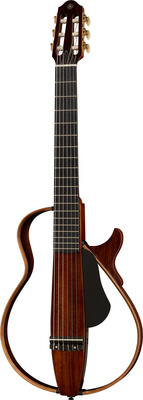
Instrument Categories: No claim to completeness
With so many types of instruments, any attempt to list them by the groups they belong to is bound to fail. Furthermore, many instruments are available in different tunings and in different sizes, e.g., for children or students, which can be an important factor in your decision. This list simply cannot be comprehensive; in addition to the classics, there are so many unusual and exotic instruments that a complete list would go far beyond the scope of this article. Nevertheless, we hope this brief overview proves helpful to you.
Online Guides & Advice
Would you like to find out more about specific instruments? Then take a look at our online guides, where you’ll find a wealth of information on various instruments.
Or why not have a browse for yourself at this link on thomann.de!



Comments 0
No comments yet.