


Yamaha YFL-212 Flute

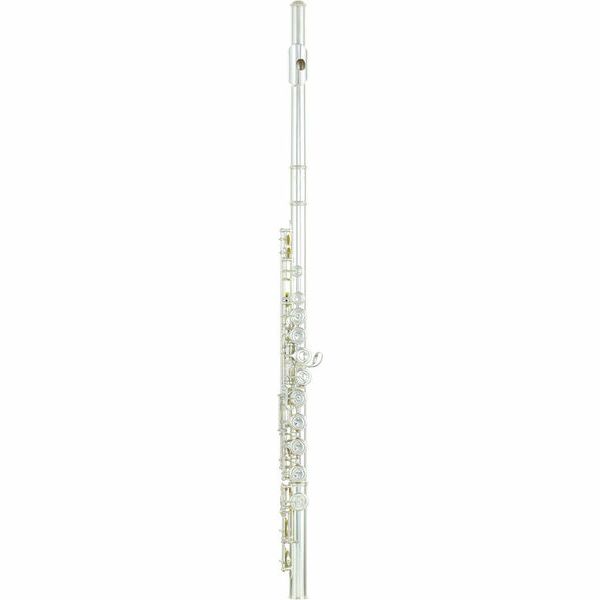

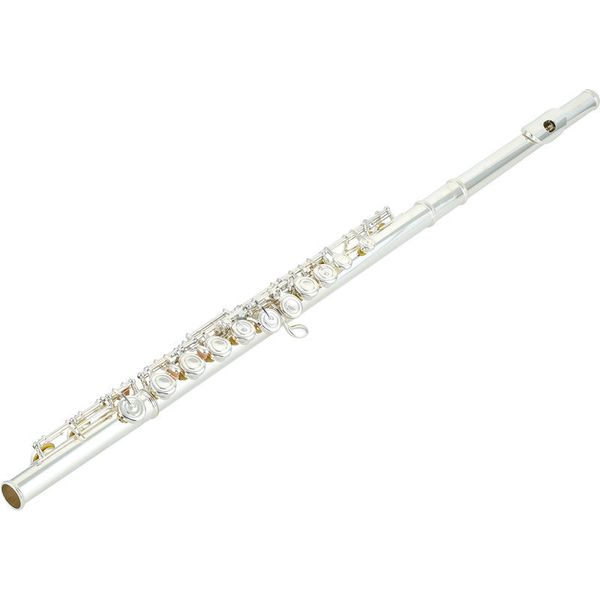


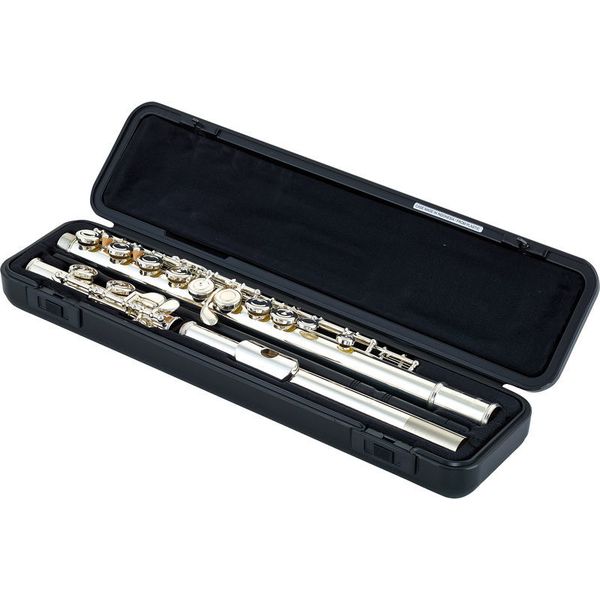



Transverse Flute
- Student model
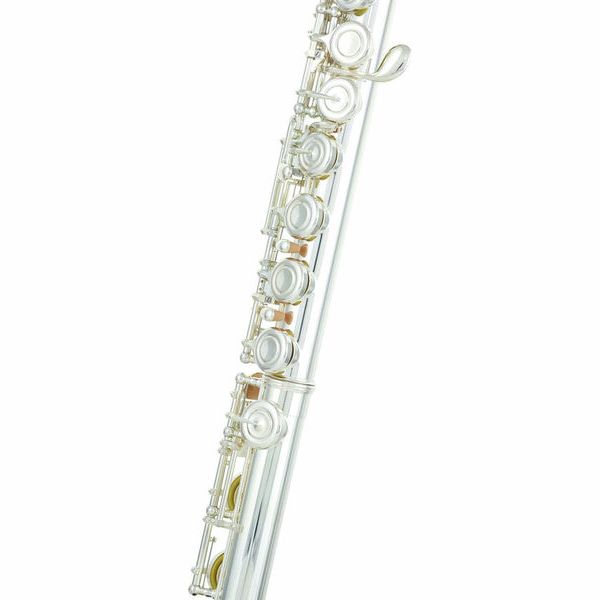
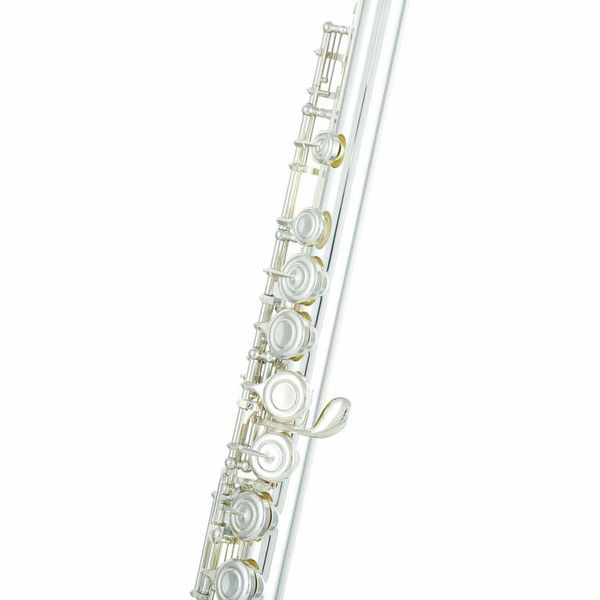
- Closed keys
- Pointed arm design
- Offset G
- E Mechanism
- Body, headjoint, foot and keys made of nickel silver
- New shape of the key arms
- Completely silver-plated
- CY headjoint with poly-conical curve for excellent response and warm, rich sound
- Ergonomic key layout design
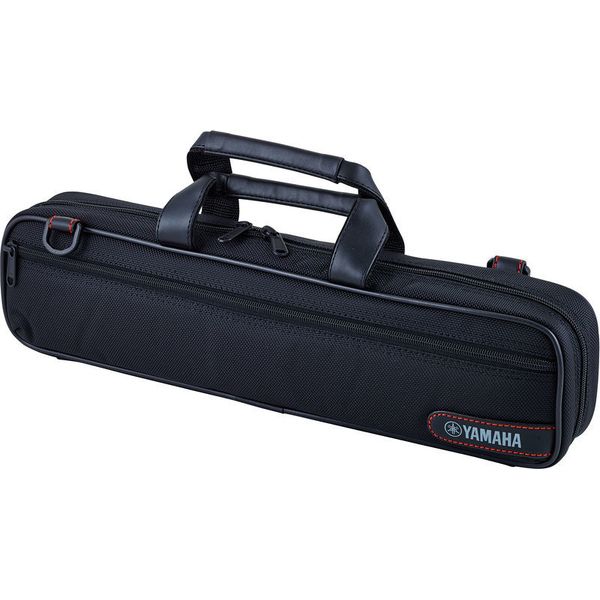
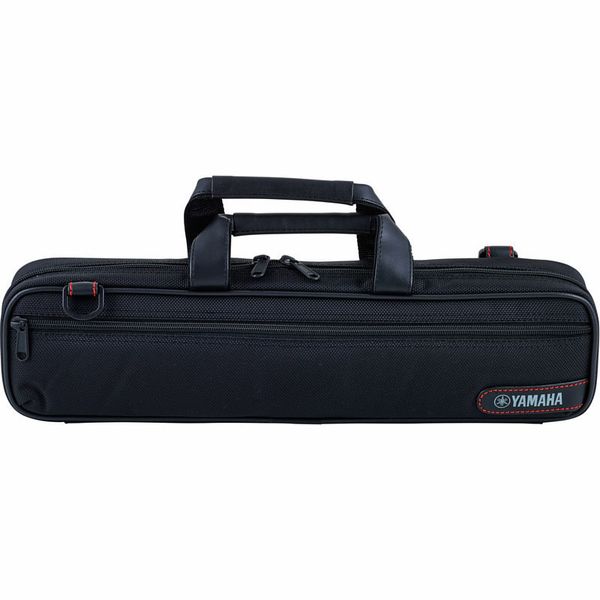
- Incl. case
-
Available since May 2016
-
Item number 387250
-
Sales Unit 1 piece(s)
-
Head Joint Nickel Silver, silvered
-
Body Nickel Silver Plated
-
Machine Head Material Nickel Silver, Silvered
-
Lip Plate Material Nickelsilver
-
Riser (Material) Nickel Silver, Silvered
-
French Pointed Arms Yes
-
E Mechanism Yes
-
Offset Yes
-
Inline No
-
C Foot Yes
-
B Foot No
-
Including Case Yes


Insights from the experts
The Yamaha YFL-212 represents an accessible choice for students, backed by a world-renowned maker. This model subtly incorporates many design elements found in Yamaha's professional and even handcrafted flutes, letting students benefit from refined craftsmanship as they learn. The YFL-212 also includes features that are particularly helpful for beginners, making it an option worth thinking about for those starting their musical journey. Crafted from durable nickel silver and finished with full silver plating, the instrument offers a blend of elegance and resilience that suits various musical environments. Its European-style key system adds a touch of sophistication, while the included case, with its precisely fitted lining, keeps the flute protected and ready for use.


A well thought-out design
The Yamaha YFL-212 reflects a thoughtful approach to both teaching and quality, combining pointed key arms and closed keys with improved key covers that seal the holes more effectively, while its ergonomically refined key layout contributes to a comfortable and intuitive playing experience. Notably, the CY headjoint with its double flare taper and uniquely undercut embouchure hole produces a warm, rich timbre and ensures an excellent, consistent response across all registers, which appeals not only to beginners but also to more advanced players. Additional features such as the offset G key and the split-E mechanism round out a design that supports musical growth and offers a reliable foundation for learning and progress.

A good-sounding flute for students
The Yamaha YFL-212 transverse flute will suit students and ambitious beginners who seek a reliable, robust instrument with an impressive sound. It feels very light and responds directly, so those just starting out should not have trouble getting to grips with it. For young players, producing beautiful tones easily and quickly is essential to staying motivated, while accurate intonation and centred notes are crucial for ear training and musical development. The YFL-212 is designed to meet these needs by addressing the specific requirements of beginners in order to help them make steady progress. It provides more than just an affordable alternative to Yamaha's professional flutes, as it is designed to foster genuine achievement and lasting enthusiasm.

About Yamaha
For decades, Yamaha has been one of the world's best-known manufacturers of musical instruments and audio technology. The Japanese company's long history began at the end of the 19th century with the harmonium. The product range has constantly expanded since then, which has made Yamaha one of the few manufacturers today to offer almost the entire range of existing musical instruments: From upright and grand pianos to guitars, wind instruments, and bowed string instruments and from drums and percussion to electronic keyboards and synthesizers. Yamaha is also a major force in the field of audio engineering as a manufacturer of mixing consoles, amplifiers, PA systems, and more. Yamaha's guiding principle is to combine traditional craftsmanship with state-of-the-art technology.
Double flare taper
One of the Yamaha YFL-212's most notable features is its CY headjoint with a double flare taper, a design concept originally developed in earth sciences as a compromise between area-preserving and conformal projections. This projection is neither angle-preserving nor area-preserving, so angles, directions, areas, and shapes may become distorted, yet the idea finds new relevance in instrument making. For wind instruments like the transverse flute, how air flows and creates the vibrating air column is central. The double flare taper offers advantages by shaping where and how airflow strikes, and how it transmits vibrations within the instrument. In this way, a concept from natural sciences and cartography has been thoughtfully adapted for musical craftsmanship, reminding us that music often draws on ideas from many fields to become a universal form of expression.


