








We use our voices all the time. Especially those of us who are musicians. For us vocal acrobats, the voice isn’t just a means of communication – it’s our precious instrument. And it’s an instrument that deserves, needs and absolutely must be looked after. Here are a few tips to help you keep your voice strong for years to come!
1. Understand how your voice works
To use your voice properly, you need to understand how your instrument works. It’s a challenge that’s often underestimated, particularly because singing and speaking seem so completely natural to us. But the fact remains: only when you understand how the vibrating vocal folds and vocal cords, the position of your larynx, throat and mouth, sound production, breathing and much more all work together can you consciously influence and develop a strong voice. You need to get to know your voice inside out. Taking singing lessons is a great way to do just that.

2. A strong voice: always warm up
Athletes know the drill: before the workout comes the warm-up. Muscles, tendons, joints and everything else need to be warmed up gently before they’re pushed to their limits. The same applies to your voice. After all, your vocal instrument relies on a combination of muscles, ligaments and mucous membranes, as well as resonance, breathing and posture.
If you go from a cold start straight into full vocal exertion, your voice won’t know what’s hit it. Start warming up at home. Do a few stretches for your body and some of your favourite vocal exercises to prepare your voice. Hopefully, you already know that a proper warm-up will keep you going throughout the day! Then, just before rehearsal, all you need to do is a few lip trills with different pitches, and you’ll be ready to unleash your full potential.
3. Keep your volume balanced – neither too loud nor too quiet
Being understood has surprisingly little to do with volume. In fact, good articulation can make up for a lack of volume. Anything we can understand clearly seems louder to us than something we struggle to make out. Clear pronunciation allows you to dial back the volume of both your speaking and singing. Any extreme, when sustained over long periods, puts a strain on your voice.
That applies just as much to speaking too loudly in everyday life as it does to whispering for extended periods. It’s all about a little self-discipline. Simply try to maintain a healthy, moderate speaking volume in everyday situations and focus on expressing yourself as clearly as possible.

4. A strong voice: perfect your controlled breathing technique
Controlled breathing, also known as breath support, is probably the single most important factor in singing itself and in maintaining long-term vocal health. Its importance really cannot be overstated. Support your voice with deep breaths. Practise your breathing technique as a discipline in its own right until it becomes second nature – to the point where supporting your voice with perfectly controlled breathing happens almost automatically. Maintain an upright posture and give your voice the space it needs. It deserves nothing less.

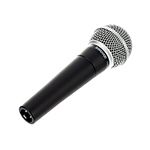
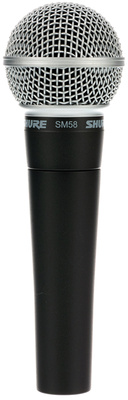
Shure
Super 55 Deluxe
5. Don’t constantly push the limits of your vocal range
In the world of opera and other demanding vocal disciplines, it’s well known that the constant pressure to sing higher, faster and more powerfully – as many vocal roles demand – has brought more than a few careers to a premature end. If we constantly sing at the upper extremes of our range in an unhealthy way, our voices might well decide to take early retirement or look for another job. Don’t always try to sing as high as you possibly can.
It’s far better to transpose songs slightly lower than the absolute upper limit of your vocal range. That gives you a little ‘headroom’ and allows you to apply your technique more effectively than you could when constantly pushing yourself to extremes. Singing very high notes frequently requires excellent coordination between your breathing, resonance and body. You also need a considerable amount of physical fitness, strength and stamina. After all, would you attempt a long-distance sprint without sufficient, carefully structured training?

6. For a strong voice: live a healthy lifestyle
Yes, the following facts aren’t particularly rock ‘n’ roll, but they’re the plain truth – especially as your career takes off. Successful singers are often the first to head to bed in the evening, avoid alcohol, exercise regularly and eat well. With the relentless demands of modern touring, it’s almost impossible to keep your voice healthy otherwise. Singers are like athletes. Your body needs the right fuel to keep performing at a high level over the long term.
That means freshly cooked meals, fibre, good carbohydrates and plenty of protein. As a general rule, and especially on performance days, eat at least 1.5 hours before the show so your food has had enough time to digest and your body can make full use of the energy it provides.
7. Stay hydrated: both your body and your surroundings
Your vocal folds and vocal cords shouldn’t be rubbing against each other when they’re dry. Drink plenty of water and keep your vocal folds well hydrated. Bear in mind that it takes around 1.5 hours for the fluids you drink to reach your mucous membranes, muscles and tendons. Drinking at the last minute won’t do much good. Instead, download a water reminder app for your phone and make sure you drink enough water, unsweetened tea and diluted fruit juice regularly throughout the day. You can also use a humidifier to maintain a room humidity level of around 30 per cent.

8. Prevent dehydration in the first place
You should also take care to avoid dehydration in other aspects of your lifestyle. If you drink caffeinated beverages or alcohol, make sure you compensate by drinking plenty of water. You should also avoid taking medication that could dry out your vocal folds. Incidentally, some cold and allergy remedies fall into this category of potentially voice-damaging medication. It’s best to consult your doctor to be on the safe side.
9. Smoking is the smoky enemy of a strong voice
It’s common knowledge that smoking is bad for your health. The particular problem for your voice is that smoke, including nicotine and other additives, irritates your vocal folds. The tiny hair-like structures in your airways, known as cilia, help carry mucus and dirt away from your vocal apparatus. When you smoke, these cilia become inactive, and it can take up to an hour for them to start working properly again.
So, if you absolutely must smoke, never do so immediately before singing. Your cilia won’t fully recover until you’ve stopped smoking for several days! And, of course, you certainly don’t want to develop laryngeal cancer either. The vocal folds are particularly vulnerable to cancer. So it’s far better not to start smoking in the first place. Just give it a miss.
10. For a strong voice: don’t ignore warning signs – act quickly
That leaves the question of how to recognise when something isn’t quite right with your voice. Apart from listening to your body and trusting your instincts, there are certain indicators you shouldn’t overlook, particularly as they can be genuine warning signs. These range from even the slightest hint of hoarseness or a strained, faltering voice to a sudden drop in your speaking pitch. And that’s by no means the end of the list. Another warning sign is losing the ability to hit high notes accurately when singing. The same applies if you notice that speaking is becoming an effort or you find yourself constantly clearing your throat. Don’t expect these problems to simply disappear on their own – get an ENT specialist to investigate the cause!

11. Don’t fool your sound engineer or your microphone
Hopefully, you’re aware that achieving a truly open yet healthy singing voice depends heavily on your microphone technique. This isn’t so much about skills that require hours of practice, but rather a few essential principles you simply need to keep in mind. For example, during the soundcheck, sing at the same volume you’ll be using during the actual performance. Give your sound engineer the chance to set the levels according to the true intensity of your voice.
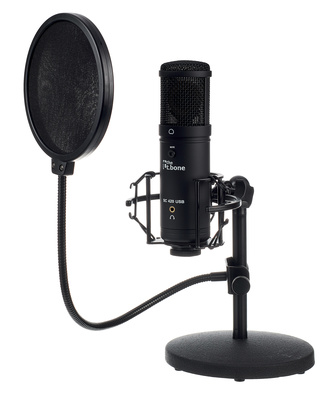
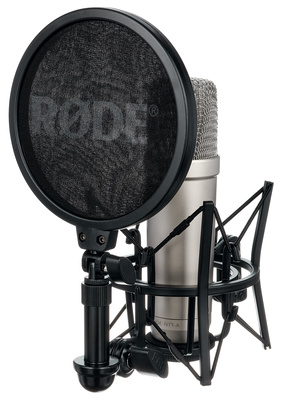

Always hold the microphone by its shaft and never wrap your hand around the microphone grille, not even partially. Don’t try to swallow the microphone either! Maintain a sensible distance between your mouth and the mic. As a starting point, I’d recommend leaving a gap of about three finger-widths between your lips and the microphone. And no, you obviously shouldn’t stand in front of the PA speakers. Make sure you keep your microphone under control even when you’re not singing. After all, if a massive burst of feedback sends the audience running for cover, you won’t need your voice any more anyway.
For a strong voice: microphones at Thomann
Are you a singer in a band? Or perhaps a podcaster? And are you looking for microphones? Then you’ve come to the right place. Browse our online shop using this link. If you’d like some free, no-obligation advice, simply give our customer service hotline a call!


Your feedback: how do you keep your voice in shape?
There are plenty of other ways to look after your health and keep your voice in top condition. What do you do to keep your voice happy and healthy? We’d love to hear your tips and experiences in the comments!
This article is an adaptation of a piece originally written by Catharina Boutari, who is credited as the author of the original German t.blog article















Comments 5