







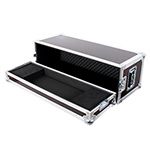


Every December, we put on the same records almost without thinking. “Last Christmas”, “All I Want for Christmas Is You”, “Carol of the Bells”, “Frosty the Snowman” then back around again. New releases arrive every year, but few become part of that routine. So why is it so hard for a new Christmas song to join the classics?
Nostalgia has a lot to do with it. As Berklee professor Joe Bennett explained to NPR, songs need time to become part of our Christmas memories. But familiarity is also something musicians can build into a recording. Listen closely to a few festive favourites and you’ll hear how they do it: bells, warm keyboards and arrangements that already feel like home.
George Michael, a drum machine and a few sleigh bells
“Last Christmas” was recorded in London in August 1984, with Christmas decorations in the studio to help set the mood. George Michael had written it in his childhood bedroom and played every part himself, including the LinnDrum beat, Roland Juno-60 synth parts and sleigh bells.
The arrangement is surprisingly lean for a song that seems to fill every shopping centre and pub in December. The steady beat and warm synth chords leave plenty of room for the melody, while the bells make the seasonal connection immediately. You don’t need an orchestra to make a record feel festive.
Mariah Carey and the sound of the 1960s
Ten years later, Mariah Carey and Walter Afanasieff took a different approach with “All I Want for Christmas Is You”. Its bustling arrangement reaches back to the festive pop of the 1960s, particularly Phil Spector’s A Christmas Gift for You. Where “Last Christmas” leaves space, this record piles on the excitement.
After the unhurried vocal intro, the song bursts into a fast shuffle, with bells, a bouncing piano part and layers of backing vocals. It sounds like a roomful of musicians, but Afanasieff says he programmed the instrumental track himself. That old-fashioned feel came from the arrangement, even when the tools were modern.
That’s a useful lesson if you’re writing a Christmas song: familiar sounds can help a new melody feel at home among the classics.
How to give your Christmas song a festive sound
Want to try those ideas yourself? These instruments and effects offer a few ways into that familiar festive sound.
Sleigh bells. Probably the quickest way to make a track sound like Christmas. The Thomann Sleigh Bells 25 gives you a straightforward way to record them yourself. Try a steady pattern in the chorus, or save them for the final chorus to give it a lift.

Thomann
Sleigh Bells 25
Chimes and bell tones. A glockenspiel can add a bright melody above the chords. The Thomann THGS2.5 is one option for recording those parts at home. Start by picking out a few notes from your chorus melody; a short phrase can be more effective than playing through the whole song.


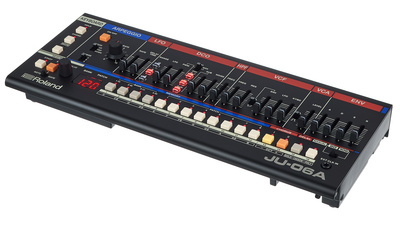
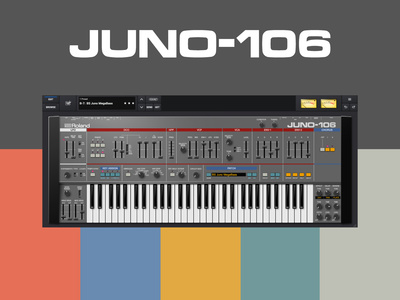
Warm synth chords. For something closer to “Last Christmas”, try a soft synth patch with chorus. The Roland JU-06A recreates the Juno-60 and Juno-106 in a compact module. If you prefer working on your computer, Roland Cloud’s Juno-106 offers a software route to those sounds.
A programmed beat. Both records show how well programmed rhythms can work in festive pop. The Roland TR-6S combines classic Roland drum sounds with sample playback, giving you plenty of ways to build a beat. For the specific character of a LinnDrum, use suitable samples rather than expecting an 808 or 909 kit to sound the same.

Roland
TR-6S Rhythm Performer
Room and plate reverb. A little shared reverb can help bells, keyboards and percussion sit together. The Strymon BigSky includes both room and plate options. Try a shorter setting first, then increase the decay until the track feels spacious without blurring the rhythm.

Strymon
Big Sky
You can also try these ideas with the instruments and effects already in your recording software. Start with a melody and a simple backing, then add the festive touches where they help the song.
What newer Christmas songs borrow from the classics
Newer releases often use the same approach, borrowing familiar textures while giving us a different voice or story to listen to.
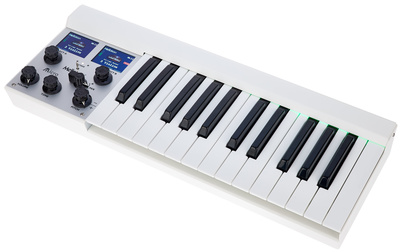
Kelly Clarkson’s “Underneath the Tree” (2013) is a good example. Producer Greg Kurstin drew on the Spector sound, using vintage keyboards including a Mellotron and a Chamberlin during the Wrapped in Red sessions. The result has the bustle of an older Christmas record, with Clarkson’s vocal driving it forward.
Mellotron
M4000D Micro
Olivia Rodrigo’s first Christmas single, “take me home (4 christmas)”, released in November 2026, takes another route. Written with Dan Nigro and Amy Allen and produced by Nigro, it turns meeting a partner’s family into a festive pop song. Its new-wave groove recalls The Waitresses’ “Christmas Wrapping”, while the awkward family visit gives the lyrics their own story.
The connection to older music makes these songs easy to place on a Christmas playlist. The vocal, melody and story give listeners a reason to remember them. However, are they able to compete with the classics? Who knows… only time will tell.
Can a new Christmas song become a classic?
Yes, but it takes more than a strong release week. Familiar favourites return every December, and playlists can reinforce that pattern. NPR’s reporting points to the long life of songs on holiday playlists, where established tracks can remain for years. A new release has to earn a place alongside music that listeners already associate with Christmas.
For songwriters, those familiar sounds are a useful starting point. Try the bells, the warm chords or the bouncing piano, then give the listener something of your own: a melody worth singing or a story they recognise. The decorations are optional, though George Michael might have disagreed.
FAQ
Why do we keep hearing the same Christmas songs? Familiar songs become tied to family traditions and memories, so we return to them each year. Radio and streaming playlists help keep those favourites in circulation. New songs do break through, but becoming a yearly tradition takes time.
What instruments make a song sound like Christmas? Sleigh bells are an obvious starting point. Glockenspiel, chimes, piano and warm synth chords can also help. You don’t need all of them: choose the sounds that suit your melody and leave room for the vocal.













Comments 0
No comments yet.