
Are you looking for your first instrument to get started in the world of music? Or are you a parent wondering which instrument would be best for your child? With so many instruments to choose from, each with their own unique playing style and sound, it can be hard to know where to begin. Here are a few thoughts to help you choose your first instrument.
#MyFirstInstrument #MusicWasMyFirstLove
Back 2 School
You’re really eager to learn an instrument, but you’re unsure which one suits you best? Whether you are a complete beginner or getting back into it after a break, our “Back 2 School” campaign is here to help you find the right instrument.
Explore our Back 2 School Selection
The basic requirement: pure fascination
Okay, important decisions need to be made sensibly. When it comes to a first musical instrument, however, your gut feeling – or your child’s – is far more important than pure logic. What’s most important is that you (or your child) must be fascinated by the instrument. Which one appeals to you most instinctively? Which one could you best imagine spending the next few years playing? Ask yourself that, or ask your child. That’s exactly what makes the perfect first instrument.
Don’t worry about making the wrong choice
You’ve no doubt seen various instruments, perhaps even held one in your hands and had a go at it. Maybe you’ve already visited a music school with your child and tried one out. The problem is that choosing one instrument can feel like you’re automatically ruling out all the others, at least for the time being. And understandably, you don’t want to end up regretting that choice.
Let’s turn this idea on its head for a moment: let’s suppose you or your child initially opted for the flute, but after a while you change your mind and you’d rather feel at home playing the electric guitar. So what? The experience you gain on one instrument helps with any other. What I’m trying to say is: the decision isn’t set in stone. And parents should respect their child’s choice too.

It’s entirely up to you
Under no circumstances should you learn an instrument to prove something to anyone other than yourself. If your parents want you to play the trumpet, but you’re much more keen on the violin, you shouldn’t let yourself be pressured into something you don’t want to do. If you’re given the well-meaning advice that you absolutely must learn the accordion, don’t listen to it unless you can actually see yourself playing it. If you’d rather play the acoustic guitar, then that’s exactly what you should do. You won’t be happy in the long run if you settle for alternatives chosen by others.

Which instrument suits me and my age?
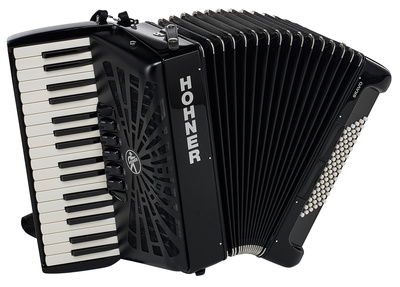
Age undoubtedly plays a key role in choosing the right instrument. And by that I don’t mean the age of the instrument itself, but the age of the aspiring young musician. In many cases, children are simply overwhelmed by adult-sized instruments in terms of size and weight. If, for example, a 7-year-old were to have to learn and play on a ‘full-sized’ classical guitar, a large accordion or a flute with a straight mouthpiece, postural problems and frustration would be inevitable.
To prevent this from happening, many instruments such as guitars, flutes and accordions are available in child-friendly sizes. Many manufacturers also do an excellent job of equipping instruments with features that make them easier to handle and play for beginners. Apart from a few exotic or very large instruments, almost any instrument is suitable for beginners.
What’s the best first instrument if you’re on a budget?
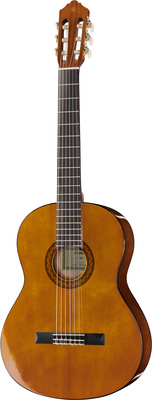
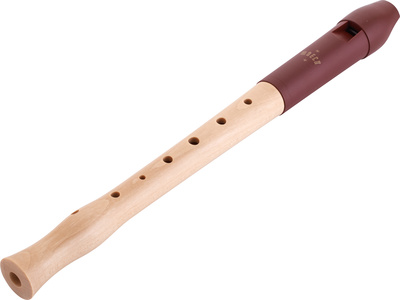
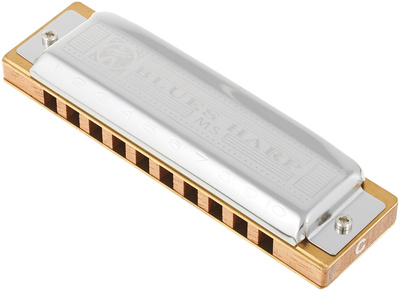
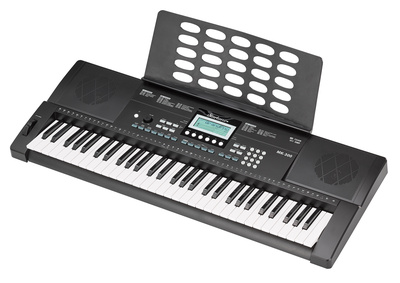
It goes without saying that price is one of the main criteria when choosing the first instrument for yourself or your child. Understandably, many parents who are unsure whether their children will stick with it in the long term are reluctant to make a significant financial commitment at the outset. On the other hand, even beginners deserve properly made instruments in order to develop their skills and musical expression. As the first instrument is an investment in the child’s musical future, cheaply made, toy-like instruments obviously cannot be the right solution. Fortunately, traditional beginner’s instruments that don’t cost a fortune – such as the recorder, the harmonica or a beginner’s keyboard – aren’t the only option anymore.For example, there are now affordable guitars of a quality that would have been simply unthinkable in the low-budget segment just a few decades ago.
Which first instrument suits my musical taste?
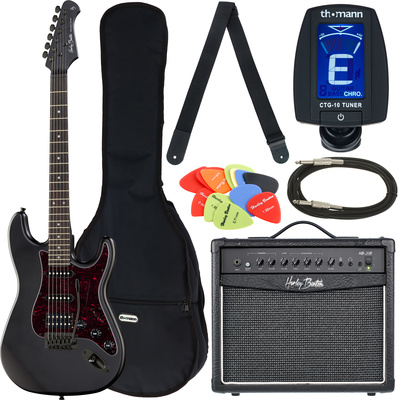
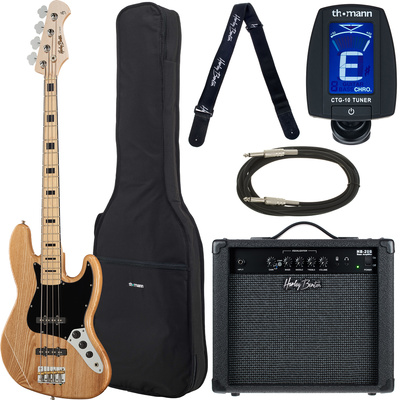
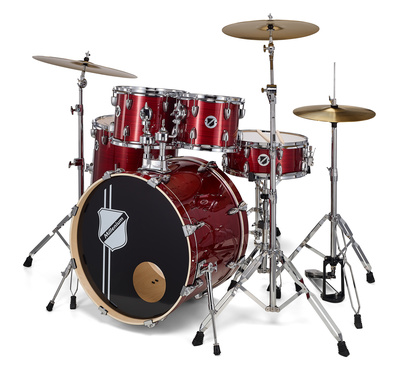
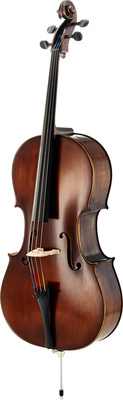
Of course, you’ll want to play your favourite music on the instrument. Or perhaps your child is a fan of a particular style of music or a certain band or star. When choosing a musical instrument, this isn’t a decisive factor right from the start; but it certainly becomes one at some point. This fact alone takes you or your child a good step further. Ask yourself or your child what they enjoy listening to, and then think about which instruments best suit that style of music. If you like rock music, for example, you’ll probably be drawn to the electric guitar, electric bass or drums. If you listen to rap, R&B, pop and the like, the keyboard might be the right choice for you. If you like classical music, the violin or the cello could be a good fit. There’s a direct link between your favourite music – or your child’s – and the choice of their first instrument.

Which instrument suits my living situation?
If you live in close proximity with other people, such as family members, neighbours, or flatmates, music can, unfortunately, be perceived as a nuisance. This, of course, applies particularly to beginners, whether young or old. You’ve still got a long way to go before the notes sound right. But you’ve got to practise somewhere. Perhaps you live in a detached house, in which case you’ll only have to deal with your family members. But the usual reality is quite different. Depending on where you live, there may be legal regulations permitting music-making in rented flats for a certain amount of time per day. But by the time it comes to a legal dispute, neighbourly goodwill has usually already gone out the window. Against this backdrop, the typical volume of an instrument can also be a deciding factor.
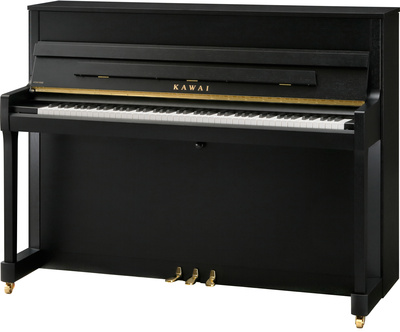
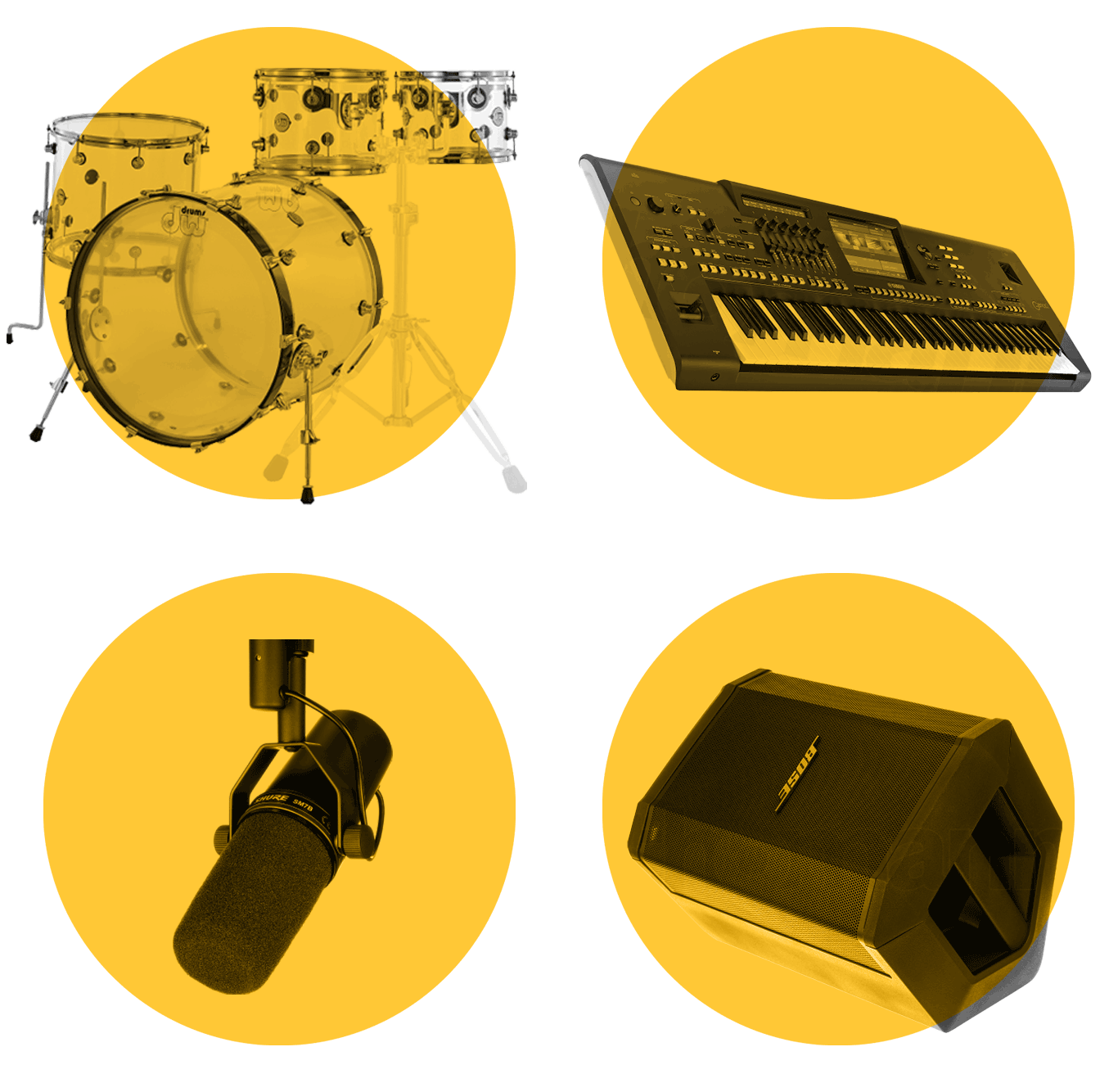
Instruments such as the drum kit, the saxophone or the trumpet can easily reach a volume of 90 to 110 dB without amplification. You don’t want to subject your neighbours to that on a permanent basis. For brass instruments, there are so-called ‘Silent Brass’ systems, which can reduce the volume significantly. However, due to the cost, these are rarely a viable option for beginners – let alone children. It’s far easier to circumvent this issue simply by choosing the right instrument. Keyboards or digital pianos, for example, are ideal, as they offer headphone outputs, allowing you to play for as long and as loudly as you like. No one will hear you.
Which instrument should I learn? Why volume matters.
And whilst we’re on the subject of volume, let’s take a closer look at it. After all, it’s by no means just about avoiding conflicts with your neighbours. Rather, the potential volume of a particular instrument also determines how much it stands out in a band, in an orchestra, or as an accompanying instrument. If you like to take center stage, this might be what you’re aiming for, but it doesn’t have to be. Some people simply prefer the quieter, particularly emotional tones. With a bit of skill, you can play very quietly on many instruments. But not on all of them.
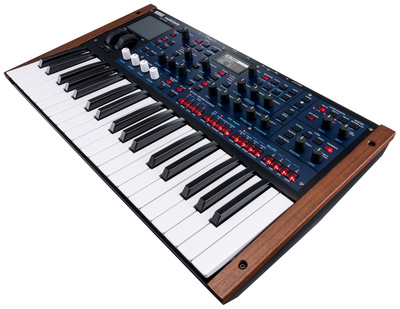
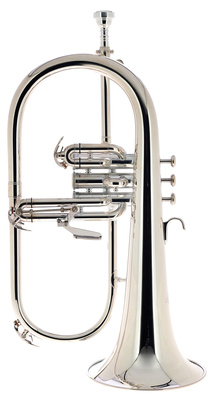
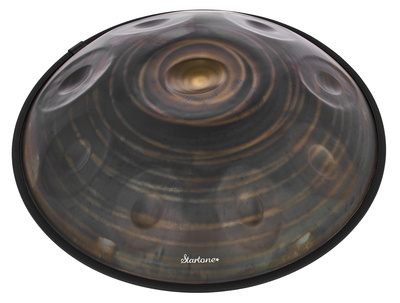
Examples of instruments in the ‘quieter’ category include the acoustic guitar, the kalimba with its bell-like tones, the ukulele and the blues harp. Then there are the electronic alternatives, ranging from the electric guitar and electric bass to the electric piano, synthesizer and the like – in other words, instruments that let you adjust the volume or can be played completely silently through headphones. Wind instruments such as the trumpet, cornet or flugelhorn, on the other hand, are by their very nature loud to begin with. After all, cutting through the ensemble is one of their core functions. While you certainly won’t be playing an acoustic drum kit quietly, you can opt for electronic drums, and the increasingly popular handpan is also a percussion instrument that might interest you.
First instrument for beginners: How much effort does it take to learn?
It’s only natural that you want to make progress on your instrument as quickly as possible and keep your motivation high, even during challenging phases. So you may be asking yourself how difficult various instruments are to learn. There’s no denying that you’ll need a certain amount of perseverance with any instrument. However, there are definitely some differences that could serve as a further guide for you.
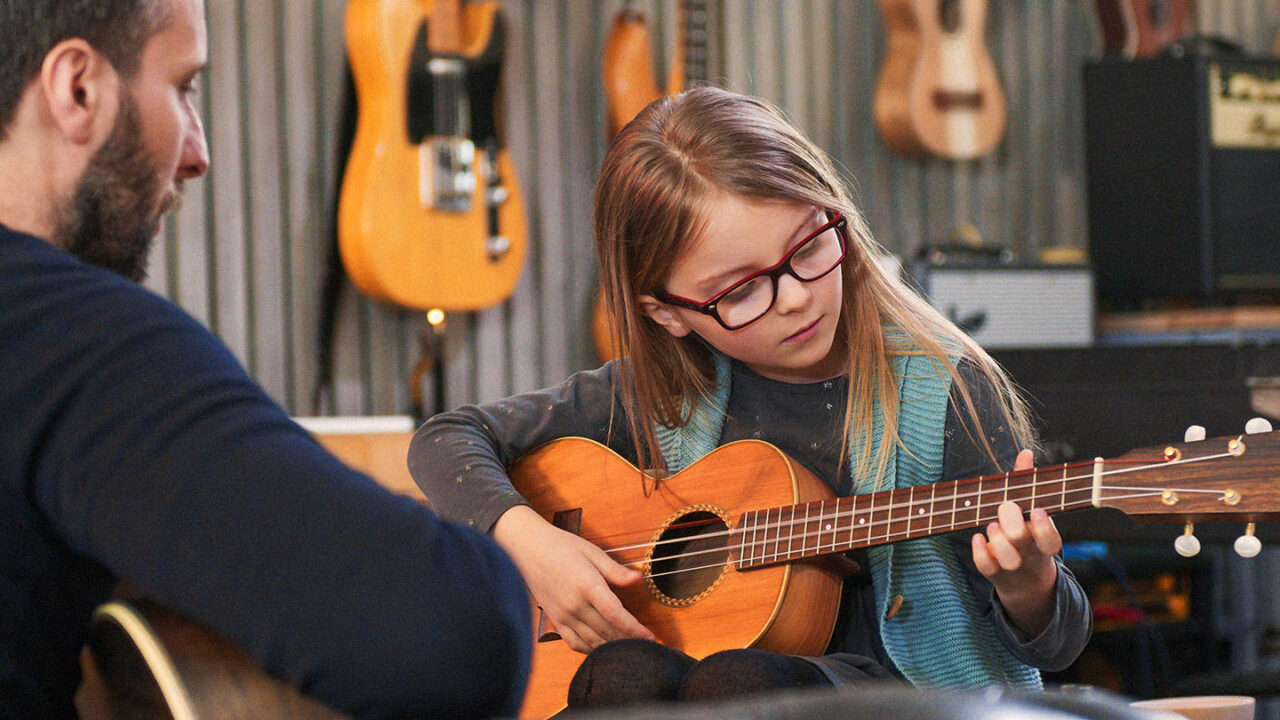
The recorder remains one of the most popular instruments for musical beginners. This is partly because its comparatively simple design makes it easy to experience your first sense of achievement quite quickly. The harmonica is another option that allows you to achieve the first notes and melodies straight away and with minimal effort. Aspiring guitar players could, for example, try their hand at the fun instrument that is the ukulele. This compact instrument allows you to play your first songs using simple chords on just four strings within a matter of weeks. The point is this: by virtue of their design, all of these instruments allow you to play your first notes with correct intonation without having to practise getting a clean tone out of the instrument first. This makes the basics very easy to learn.
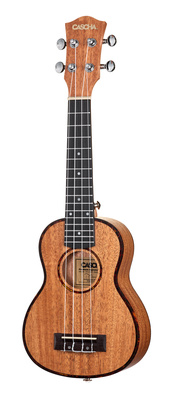
Cascha
Premium Mahagoni Sopran
With wind instruments such as the trumpet or the saxophone – and all their many variants – you’ll first need to develop your embouchure – the tension in your lips – and focus on breathing technique. This isn’t rocket science either, but it does require more practice and therefore more time. Incidentally, the French horn, the oboe and the bassoon are considered to be the most difficult wind instruments to play and therefore the hardest to learn. The French horn because of its complex intonation, and the other two because they are double-reed instruments that require high embouchure pressure.
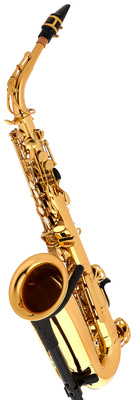
Yamaha
YAS-280 Alto Sax
String instruments, which offer no frets to guide you to the correct pitches, are also among the more difficult instruments to learn. Examples include the violin, viola and cello. With these instruments, you really do need to devote a great deal of time to mastering correct intonation and training your musical ear.
Which instrument suits me and my personality?
You yourself are unique, with a very special personality. It’s easy to see how your individual character will be reflected in your choice of instrument. With some instruments, such as the flute or the violin, it’s noticeable that they tend to be chosen by girls and women, whilst others, such as the electric bass or the drums, more often attract the interest of boys and men. Fortunately, this is by no means set in stone; these invisible boundaries have shifted a great deal over the past few decades. Regardless of this, it remains a fact that every instrument has a distinct personality. So let’s take a look to see which of them might match yours.
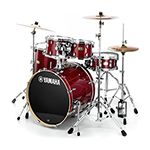
Take the trumpet, for example. It’s immediately apparent that it’s assertive and likes to take centre stage. Trumpeters are generally regarded as self-assured and enjoy taking the lead. In a way, they have to be, because the volume of their instrument makes it impossible to hide behind other musicians. The drums are similar, just on a different level. They’re versatile and brimming with energy. The drum kit is a true leader’s instrument, especially as it provides the rhythmic foundation for the band – loud, direct and with steady timing. Drummers drive the beat forward and do not allow themselves to be thrown off course. They have a reputation for being the chief engineer of a band, pulling all the strings.
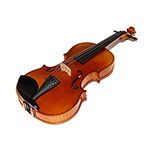
In contrast, the violin captivates with its unique charm, sensitivity and empathy. It enchants with its wonderful sounds and often rapid passages. It can rejoice joyfully, but it can also sound sad. The delicate violin is arguably one of the most emotional instruments of all. Through music, it reveals its feelings and acts as an extension of the equally sensitive violinists. The acoustic guitar, in particular, makes community a hallmark of its character. It is the quintessential accompaniment instrument – whether on the beach, around a campfire, on the high street, or wherever. And the fingerstyle guitarists of the new generation prove time and again that this harmony-loving instrument is capable of incredible feats.
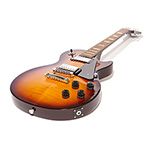
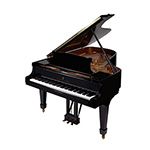
The electric guitar wants to take centre stage. And it leaves no room for doubt about that. On stages around the world, it is known for commanding the audience’s attention with its powerful presence. Whether it’s rock, blues, pop, funk or any other genre, it is extremely rarely content with a supporting role. If you, too, want to be seen and heard, your personalities are a perfect match. The piano stands for structure. Thanks to its versatility, it masters every musical genre and – if desired – is, above all, one thing: completely self-sufficient. On the piano, anything is possible, from simple accompaniment to playing boogie-woogie, iconic film scores or classical pieces. Its black and white keyboard is the quintessential reference point for musicians, as it provides a clear overview of the harmonic relations between notes. If you, too, are a bit of a thinker – in a positive sense – the piano might be the right choice for you.
The saxophone is emotional and dynamic; it is versatile and refuses to be confined to any rigid framework. When unleashed on the crowd for a solo, it bursts forth, capable of embracing people with the utmost tenderness one moment and taking them on a highly impulsive journey the next. And in doing so, it stands out for its very special aesthetic. If you, too, don’t want to be confined, your aura is certainly quite close to that of the saxophone. Whether it’s a good choice as your first instrument will probably depend on your age. If you’re around eight or nine years old, the best place to start is with the alto saxophone, which is also a wonderful instrument for adults who love jazz and soul. The flute is delicate, tender, deeply emotional and, at the same time, multifaceted. Its sound is often immediately associated with nature – for example, with the trickling of water, the cheerful chirping of birds or the rustling of the wind in the forest or by the sea. If you have a patient, dreamy and nature-loving side to your character, the expressive power of the flute might captivate you.
Choosing an instrument family
If you’re wondering which instrument you should learn, you’re, by definition, still at the very beginning – in a sense, even a step before the beginning. A useful way to approach this might be to ask yourself which group of instruments piques your interest the most. In most cases, this is already a clear indication of your taste.
Are you more drawn to stringed instruments, ranging from the acoustic and electric guitar to the banjo, mandolin or saz? Do you prefer the sounds of orchestral string instruments, such as the violin, viola, cello and double bass? Next come the family of keyboard instruments, the family of percussion instruments and other groups. Perhaps wind instruments – from brass to woodwinds – are right up your street.
Once you’ve determined which family of instruments interests you most, it’s time to consider – or let us advise you – which one from this range might be your first instrument. Admittedly, some may not make the cut as suitable instrument for beginners. But finding out which family of instruments you’re drawn towards can provide a road map for the future, with a long-term plan in mind.
Avoiding typical beginner’s mistakes
As soon as you’ve made up your mind and chosen an instrument, the actual practising begins. As you’re still at the very beginning, now is the time to avoid typical beginner’s mistakes. This is all the more important because correcting mistakes later on is far more difficult than preventing them from happening in the first place. This requires a good dose of self-discipline, as well as feedback from your music teacher or more experienced musicians – but also an awareness of what these mistakes might be. It’s hard to list them in general terms for all instruments, especially as each one requires its own specific playing technique. But let’s look at a few examples that might also make you more aware of mistakes not mentioned here.
Beginner’s mistakes when learning the guitar
Curiously, many beginner guitarists believe they need to apply a lot of pressure when pressing down the strings. Of course, you do need to develop a feel for the strings and their tension at the start, but applying pressure is the wrong approach. In fact, using so much force is not only unnecessary but actually counterproductive, as it severely hinders the mobility of your fingers. When you press too hard, your fingers will tense up, making it impossible to play fluidly as you glide from one fret to the next. The most important lesson – which also applies to other instruments – is that you shouldn’t get in your own way.
Beginner’s mistakes when learning the piano
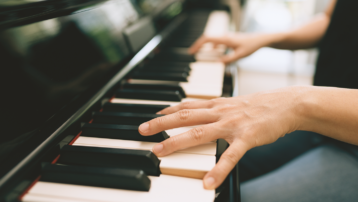
The difference between understanding something and being able to do something is often misunderstood. Just because you’ve understood how something works when playing the piano doesn’t mean you’ve mastered it – permanently. Learning to play the piano works quite differently, as it is initially not a cognitive skill but a manual one. And the required motor skills need to be practised over and over again in small increments. It is absolutely vital that these coordinated movements become firmly embedded in your muscle memory and are stored in such a way that they can be recalled at any time.
Beginner’s mistakes when learning the violin
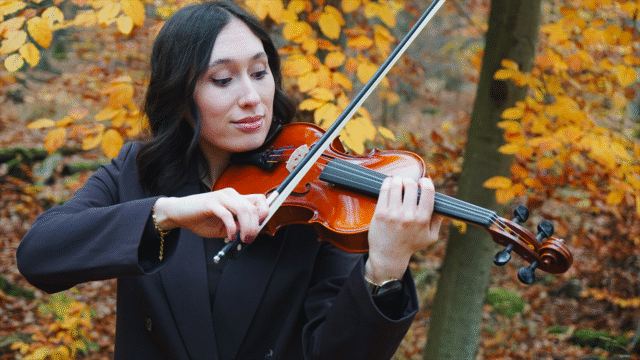
With the violin, too, there are mistakes that – unfortunately – are seen time and time again and thus stand in the way of further progress. These include, for example, applying far too much pressure with the thumb of the fretting hand against the neck of the violin. The effect is, quite simply, that the hand becomes blocked. As is well known, blockage is the big sister of tension, and that cannot be good when playing music. And this is precisely what manifests itself in another beginner’s mistake: tense shoulders. They must remain relaxed at all costs and should under no circumstances be raised to hold the violin in place. Only then will you be able to guide the bow parallel to the bridge and avoid the notorious ‘impatient bow’.
Don’t try to do too much at once
As you can see, there are plenty of beginner’s mistakes, and every instrument has its own unique pitfalls. This list has been, at best, a very tiny selection. In general terms, one of the most common beginner’s mistakes is wanting to do everything right from the start. Take your time and tackle the basics in a structured way. As the lessons build on one another step by step, your skills will interlock effectively. As a result, they will not merely add up, but multiply. In this way, you’ll make solid and rapid progress. If you try to juggle too many things at the start – such as too many playing techniques, too many songs, sheet music, chords or whatever else – your playing will remain very shaky and unpredictable, if it improves at all. More often than not, those who expect too much of themselves or are overwhelmed can end up losing interest and giving up the instrument altogether. If that were to happen to you, it would be a real shame, as you’d be single-handedly blocking your own path to a wonderful hobby that could perhaps have become so much more.
The importance of posture
It’s not uncommon for people to turn up their noses when teachers emphasise the importance of correct posture while playing the instrument. Whilst this might be understandable in the name of looking ‘laid-back and cool’, it underestimates just how crucial it is. If wind players don’t adopt correct posture, they cannot and will not breathe properly and, as a result, will never truly produce consistent tones. If you slump on a sofa with your guitar – preferably with crisps and popcorn to boot – you restrict the range of movement of your arms, hands and fingers. This can make certain chords or chord changes simply impossible to play. The fretting hand must be positioned at the correct angle to the strings, which can only be achieved with proper body and instrument posture.
Checklist: The most important questions to ask before buying your first instrument
- Are you genuinely fascinated by the instrument?
- Have you overcome your fear of making the wrong decision?
- Are you making the decision independently?
- Have you taken your age into account?
- Does your preferred instrument fit your budget?
- Can you play your favourite music on it?
- Is it possible to practise the instrument at home?
- How much volume, projection or sensitivity are you looking for?
- Does your motivation match the expected amount of effort required to learn?
- Does the character of the instrument suit your personality?
- Do you feel particularly drawn to a particular group of instruments?
- Are you ready to get started and avoid beginner’s mistakes?
Have you decided on an instrument yet? Are you still unsure? Let us know in the comments!








Comments 0
No comments yet.