


Sennheiser XSW-D XLR Base Set

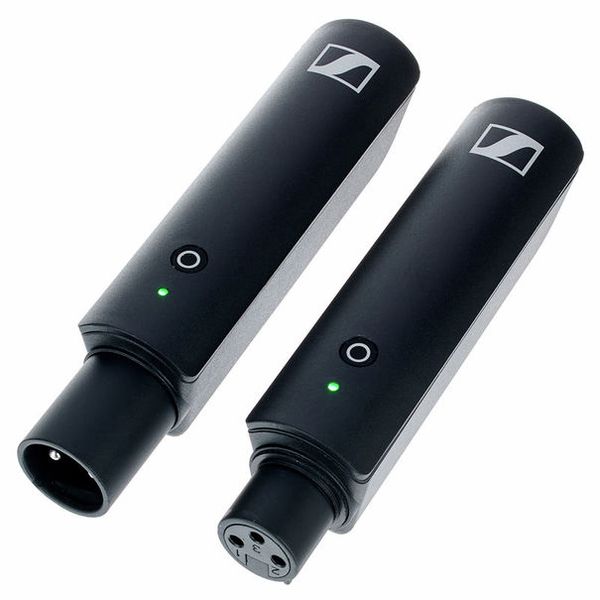
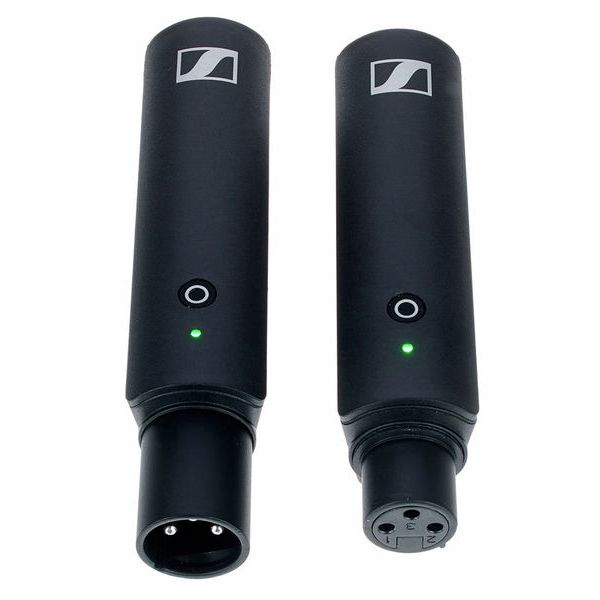
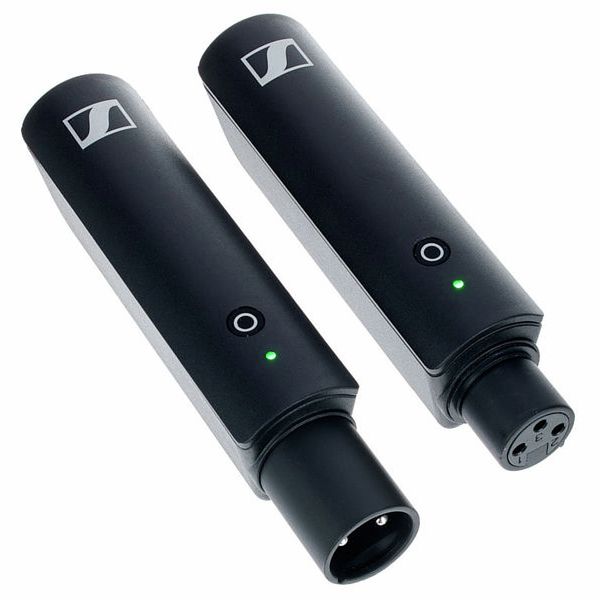
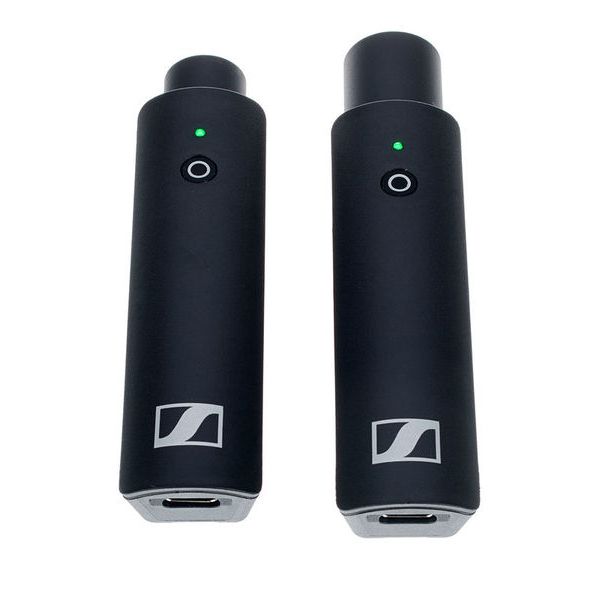
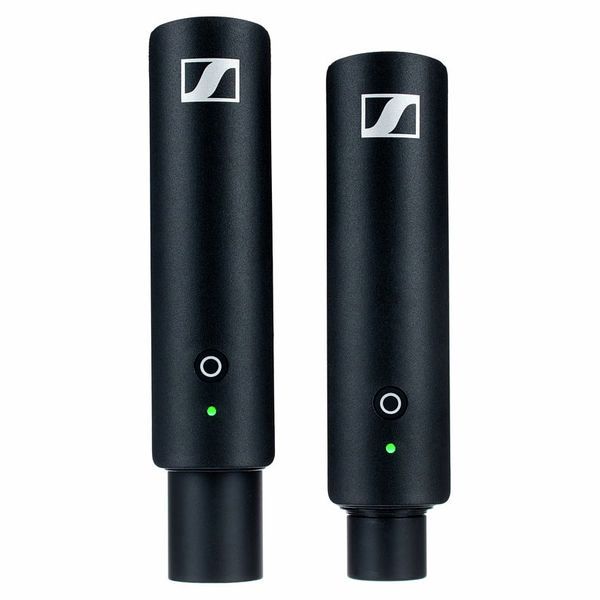
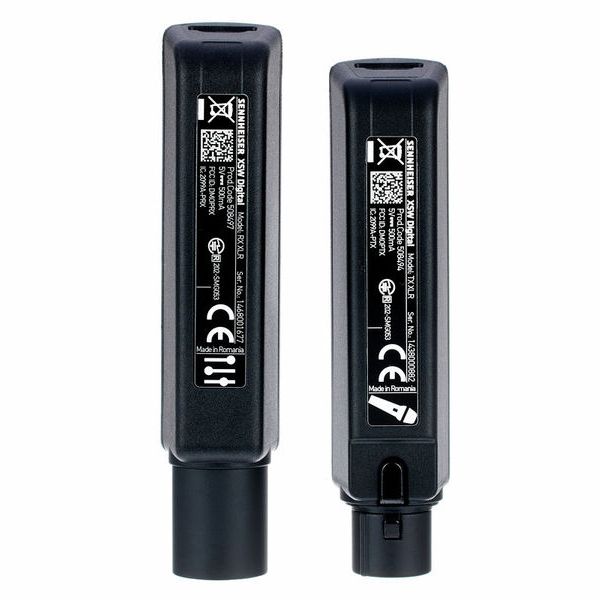
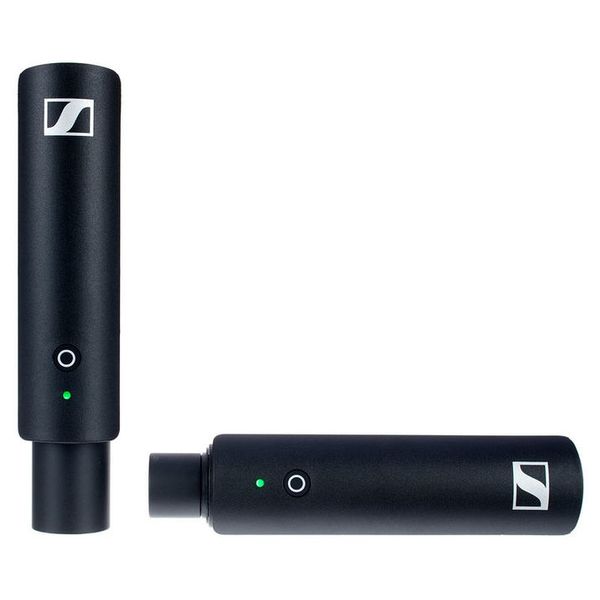
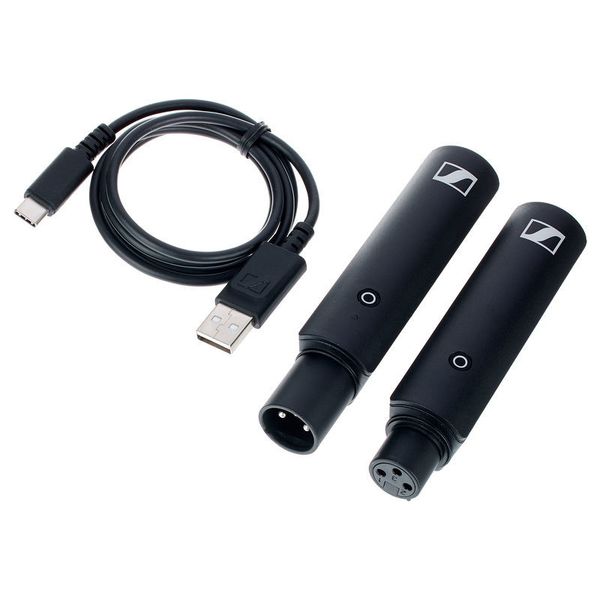


Digital Radio Link Set
- Plug-on transmitter (XLR female) for dynamic microphones
- XSW-D receiver (XLR male)
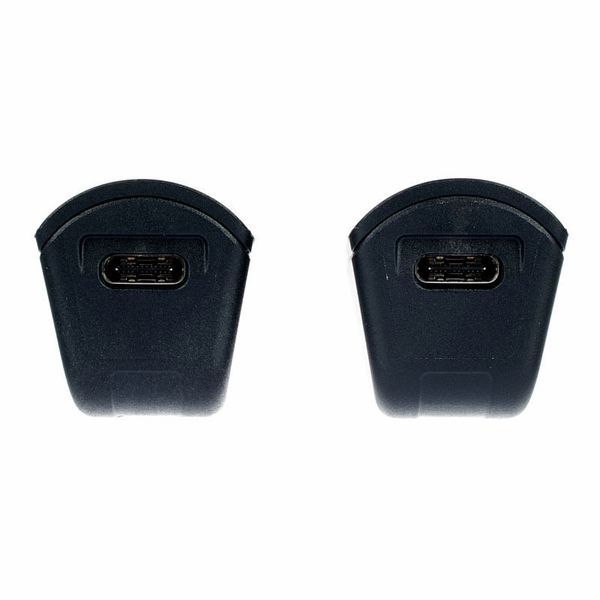
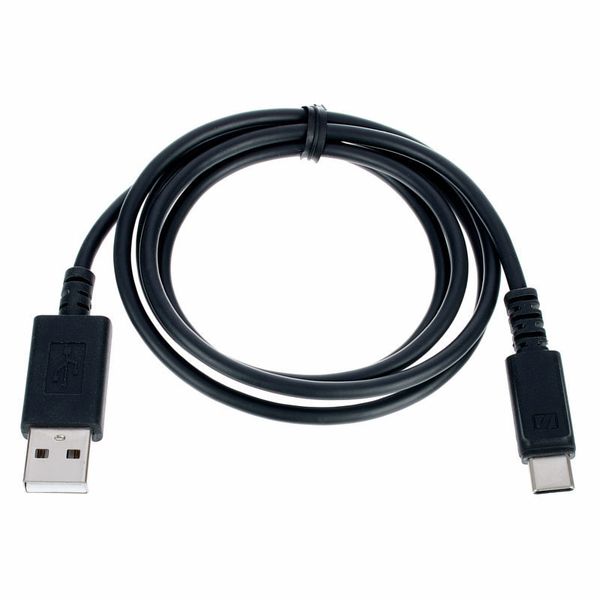
- Charging cable USB-A to USB-C
-
Available since January 2019
-
Item number 452020
-
Sales Unit 1 piece(s)
-
Frequency Band 2,4 GHz
-
Diversity No
-
Switchable Frequencies Yes
-
Removeable Antenna No
-
Transmitter powered with Rechargeable battery
-
Transmitting System Digital
-
Wireless Channels 1
-
Handheld Transmitter 0
-
Pocket Transmitter 1
-
Microphone Plug Transmitter 1
-
Power Transmitter USB
-
Frequency from 2400 MHz
-
Multi Channel No
-
Frequency to 2483 MHz
-
Microphone Type Microphone Plug Transmitter
-
Transmitter Input XLR
-
Hot Shoe Adaptor Yes
-
Receiver Width in mm 24 mm
-
Receiver Height in mm 109
-
Receiver Depth in mm 28 mm
-
Receiver Weight in kg 0,1 kg
-
Power Receiver USB
-
Transmitting Power in mW 10
-
Selectable Frequencies 0
-
Removable Antenna No
-
Battery Status Monitor Yes
-
Output XLR
-
Charging System Optional
-
Integrated battery Yes
-
Make existing microphones wireless
The Sennheiser XSW-D XLR Base Set turns wired microphones into wireless ones. The comparatively slim transmitter is practically invisible, be it on stage or on film. Simply plug the transmitter into the existing microphone, connect the receiver to an audio input on a mixing console or camera, and the wireless link is ready to go: Everything is configured with just one button. Both transmitter and receiver are powered by built-in rechargeable batteries, and the maximum distance between the devices is among the best in this class of device: At 75m (nearly 250 feet), it should be enough to bridge the gap between the stage and all but the most distant mixing desks. The system operates in the 2.4GHz range and can therefore be used worldwide, and another practical feature is that a receiver can switch between the signals from a maximum of four transmitters.

)
Digital wireless link for microphones
This toolkit for digital wireless audio transmission is suitable for all dynamic microphones and any battery-powered condenser microphones. As mentioned above, it operates in the 2.4GHz range, and with a pleasingly low latency of just 4ms, the set is ideal for both live events and recordings. The audio transmission range extends from 80Hz to 18kHz, and both transmitter and receiver have XLR sockets for connecting audio. A set with fully charged batteries lasts up to five hours, which should usually be enough to go right from the sound check to the encore. After the concert, the built-in batteries can be recharged using the included USB-A to USB-C charging cable and a standard USB mains adapter. Fresh from the box, the transmitter and receiver come pre-paired and ready for use.
)
Sennheiser satisfaction
The Sennheiser XSW-D XLR base set offers anyone who is already perfectly satisfied with the sound of their existing wired microphone a cost-effective way of switching to a digital wireless link. This gives performers the opportunity to enjoy the freedom of movement that comes with a wireless microphone at a relatively low cost. From stage musicians and street performers to professional camera operators, anyone can enjoy Sennheiser's high-quality conversion technology, and apply it flexibly to different microphones. Especially when working with cameras and active speakers – but also with smaller mixing consoles – it's a huge help to be able to switch between four transmitters that can be used alternatively with the same receiver, because there is no need for four separate radio frequencies. And of course, users are completely flexible when it comes to choosing which microphone they want to turn into a wireless one.
)
About Sennheiser
In June 1945, Prof. Fritz Sennheiser founded the Wennebostel Laboratory, which initially produced measuring equipment. Commissioned by Siemens in 1945, the young company developed the MD-1 microphone, which was launched in 1946. After the development of further microphones, the company was renamed Sennheiser Electronic in 1958. Two years later, Sennheiser introduced the MD 421 dynamic microphone, which is still in production today and still held in high esteem by many sound engineers. Further groundbreaking developments, such as the HD 414 headphones and the classic MD 441 microphone, hugely enhanced the company’s international reputation, eventually making Sennheiser one of the leading manufacturers of microphone and headphone systems in the world.
Four microphones – one radio link
Anyone who has ever had to quickly set up a mic for a street performance will know what a relief it is to be able to go without cables. With the Sennheiser XSW-D XLR base set, every musician's own tried and tested microphone can be quickly transformed into a wireless one: All they have to do is connect the transmitter to the mic and the receiver to the speaker, and they are ready to go. And it's equally easy to set up a camera – equipped with an XLR input for the audio signal – for a quick vox pop interview. Or imagine hosting a small-scale concert with four bands, perhaps at home or in the local youth centre: All the lead vocalists can use their own favourite microphones, each of them equipped with a dedicated sender. When it's time for the next band, it's simply a case of switching on the receiver being used: This also means the same radio frequency can be used for all four singers, freeing up more channels on mixing desk. The fact that the wireless link can be muted by both the transmitter and the receiver is particularly practical when using the receiver at the FOH position, as it allows the musician to focus entirely on their performance.
Information on the supported frequency ranges
Here you can see which frequencies are supported by this wireless system and the countries in which these frequencies are allowed in the future for wireless applications.
This is what customers who viewed this product bought

Accessories & matching items
Compare options
-
Sennheiser Wireless Audiotransmitters at a glance
-
Go to product group Wireless camera microphone systems
-
Go to product group Wireless Audiotransmitters
-
Go to product group Wireless Microphones
-
Go to product group Microphones
-
Show manufacturer details for Sennheiser
-
Sennheiser Microphones at a glance