


Yamaha EZ-310



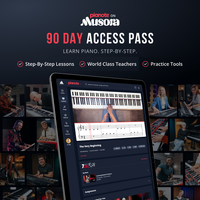
Get 90 days of free piano lessons with your purchase.
From July 15, 2026, through October 14, 2026, you’ll receive a free 90 days subscription for Pianote on Musora. Make the most of the piano with a guided learning path that shows you exactly what to practice next, so you can spend less time wondering where to start and more time playing.
Whether you're just getting started or looking to improve, Pianote on Musora helps you build skills, stay motivated, and make steady progress with lessons that fit your level. Your free access includes
- A guided learning path that teaches the right skills in the right order.
- Lessons from world-class pianists like Jordan Rudess, Jesús Molina, Lisa Witt, and more.
- A built-in Practice Tracker to help you build better habits, stay consistent, and see your progress over time.
- A supportive community of piano players to help keep you motivated.
- Unlimited access to lessons across piano, drums, guitar, bass, and singing.
After your order has been shipped, you will automatically receive the activation code via email. The subscription ends automatically after expiration.
This offer is available in English.
Keyboard
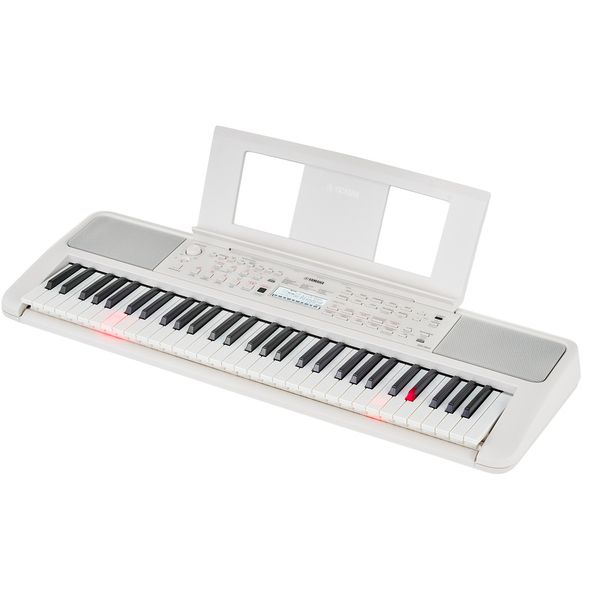
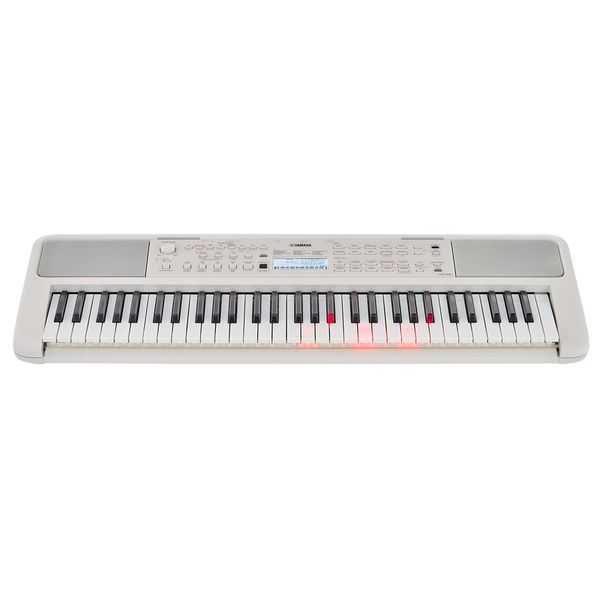
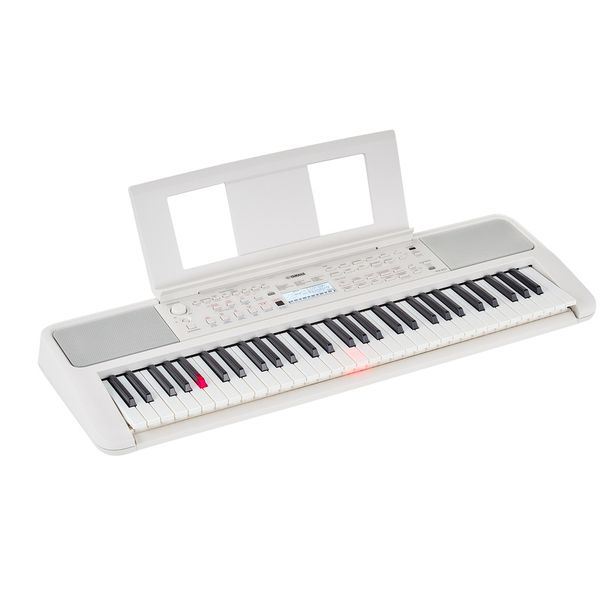
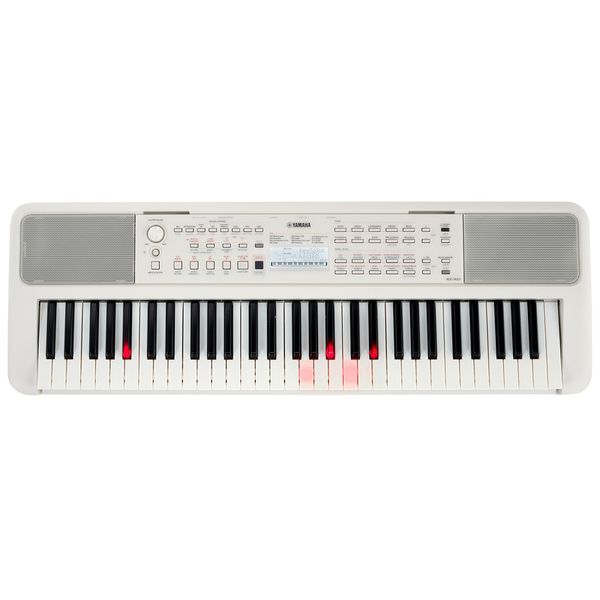
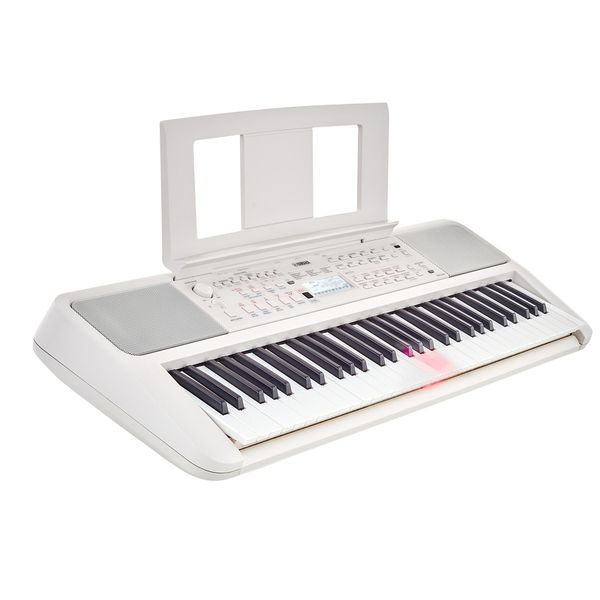
- 61 illuminated keys with touch response
- 650 sounds including 25 drum/SFX kits
- Dual mode
- Split mode
- 260 styles, 10 user styles (SFF Format)
- One-touch settings
- 50 chord progressions
- Music database with 200 entries
- 10 registration memories
- 152 songs
- 48-voice polyphony
- Backlit LCD display
- MIDI recording: 5 songs with 2 tracks each in proprietary file format
- MIDI-Player: SMF 0 & 1
- Effects: DSP (41), Reverb (15), Chorus (7), Master EQ (5), Harmony (26), Melody Suppressor
- Metronome
- Lesson function
- Battery operation possible (6x AA LR6/R6/HR6 required, not included)
- Speaker system: 2 x 2.5 W
- Dimensions (W x D x H): 941 x 317 x 105 mm
- Weight: 4.6 kg
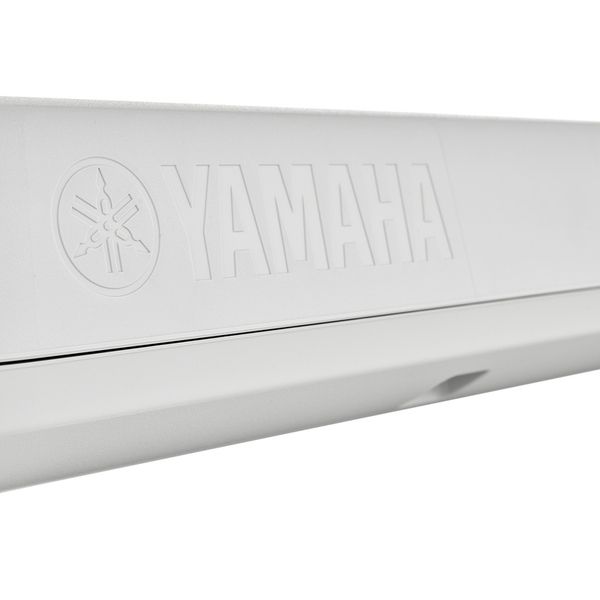
- Colour: White
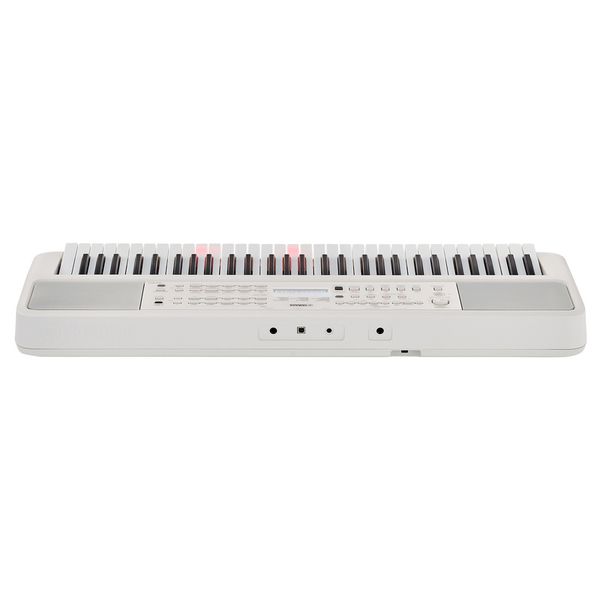
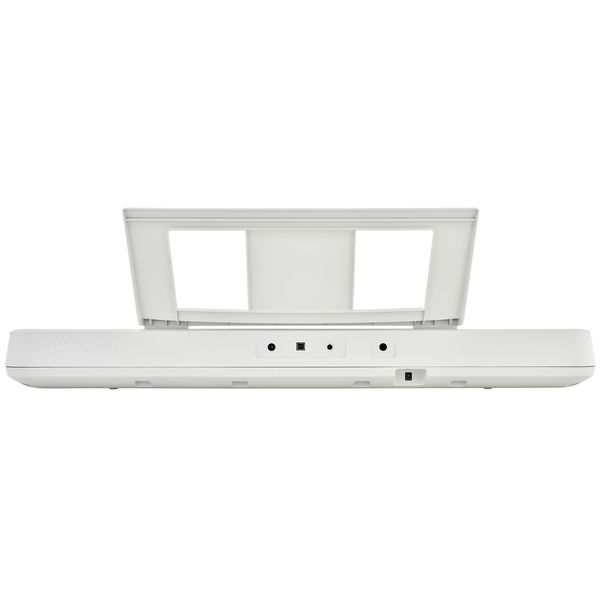
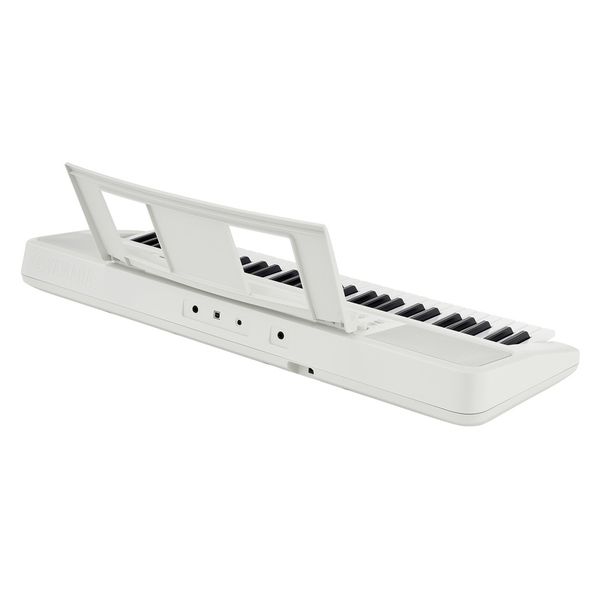
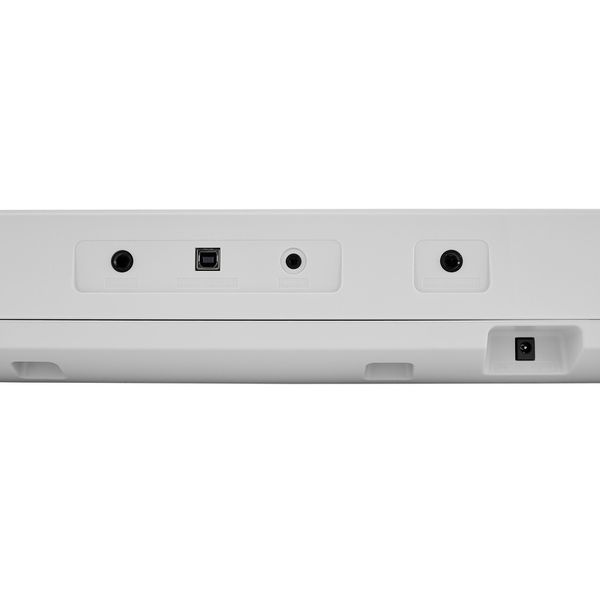
- Connections:
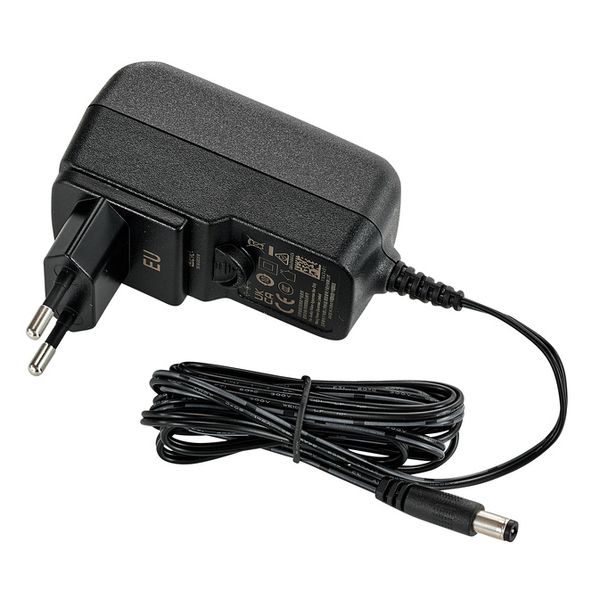
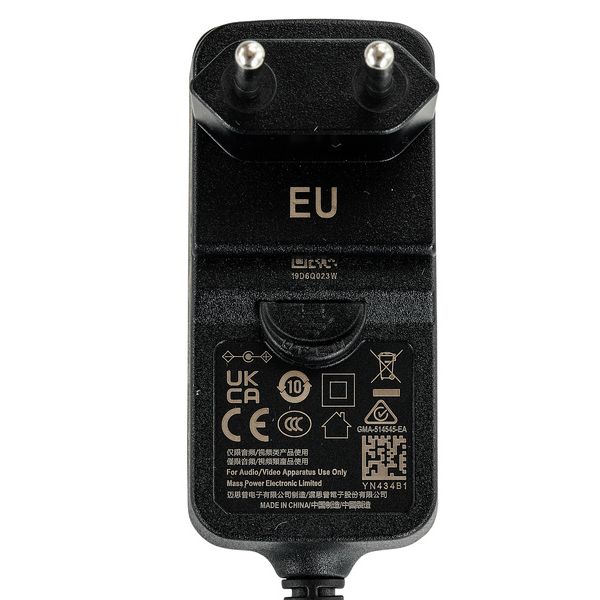
- Power supply unit
- Headphone output: 6.3 mm stereo jack
- Sustain pedal (not included)
- Aux In: 3.5 mm stereo mini jack
- USB to host (MIDI & Audio)
Includes:
- EZ-310 keyboard
- Power supply unit (PA-130)
- Music stand
- Product registration card
- Songbook (as digital download on the Yamaha website)
-
Available since April 2024
-
Item number 589545
-
Sales Unit 1 piece(s)
-
Keys 61
-
Illuminated Push-Button Yes
-
Touch-Sensitve Yes
-
Aftertouch No
-
Storage Medium Computer, internal
-
Lyrics Function No
-
Score Function No
-
Vocal Harmony No
-
MIDI interface 1x USB
-
Microphone input No
-
USB Yes
-
Polyphony 48
-
Speaker 2x 2,5 W
-
Dimensions in mm 941 x 317 x 105
-
Weight in kg 4,6 kg
-


Give them a headstart
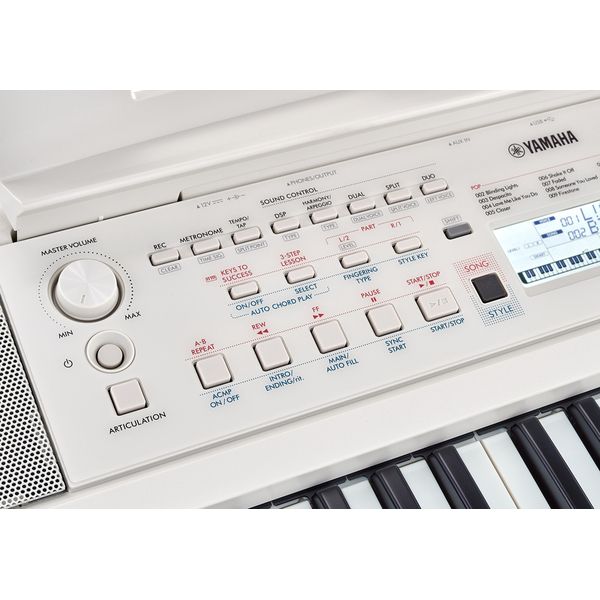
The Yamaha EZ-310 gives even the youngest musicians a way to get a headstart playing keyboard – plenty of fun, audible progress, and all without being able to reading sheet music. At its core, this keyboard is identical to the manufacturer's PSR models, but with its light-up keys, cheerful Pop songs, and bright white finish, the EZ-310 is especially appealing to kids. Of course, the onboard learning library includes the evergreen pieces that most students of the piano end up practising, but it also gives ambitious young musicians access to countless other instruments and musical styles. Thanks to Yamaha's tried-and-tested three-step system and comprehensive Keys to Success programme, learning will feel almost effortless, and improvements are sure to follow. As the young musicians' skills progress, they can begin to enjoy the keyboard's range of accompaniment styles, full-length songs, and Auto Chord Play function. The EZ-310 comes with all this and more already built in, meaning that practising solo or and playing for friends and family is as easy as do-re-mi.

)
Lots of ways to play and learn
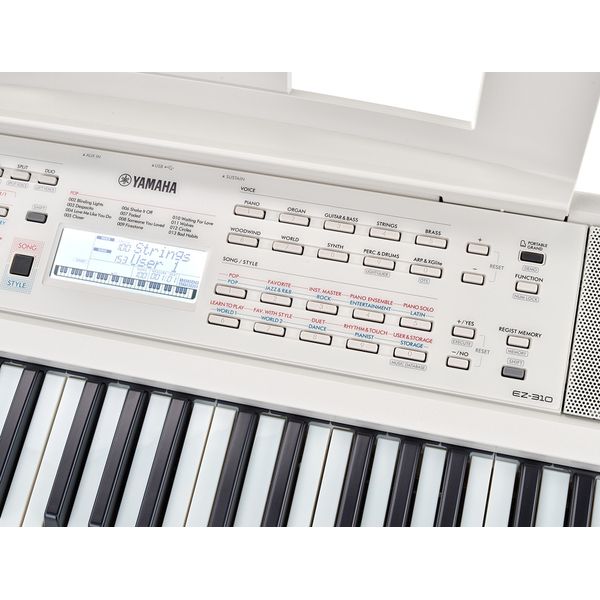
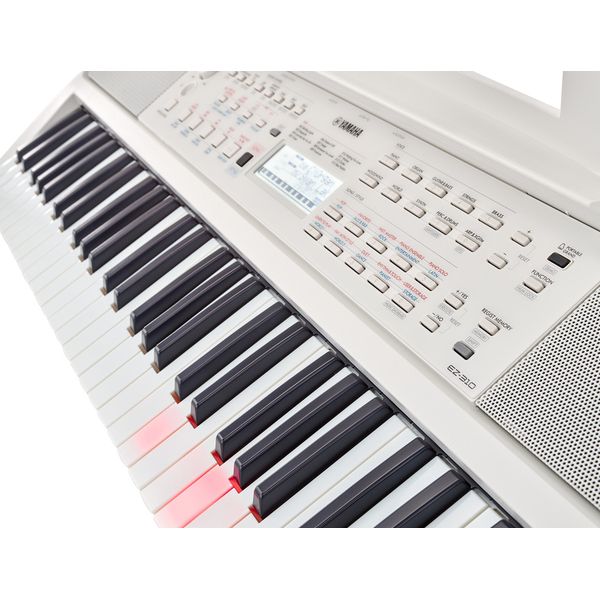
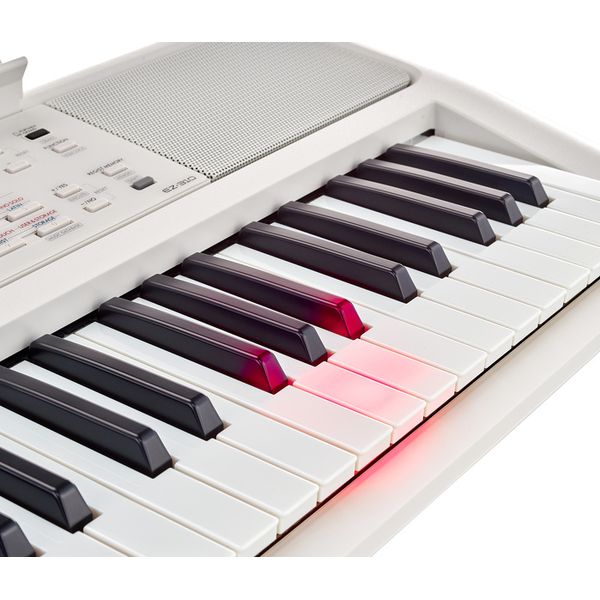
The Yamaha EZ-310 features a touch-sensitive keyboard with 61 keys, with a velocity curve that can be adjusted to match the user's playing experience. The keys are fitted with LEDs that light up to show the right notes – a great way of combining visual and musical learning styles. They keyboard's sound generation is 48-note polyphonic, and there are 650 voices to choose from (panel voices, drum kits, arpeggios, XGlite), including Super Articulation Lite Voices, which add expressive variations perfect for solos. A wide range of automatic accompaniments and onboard songs cover many popular styles, and there's even an arpeggiator for very modern-sounding dance tracks. For extra practice, Yamaha's Easy Song Book can also be downloaded free of charge. The EZ-310 comes with two built-in speakers, a headphone jack, and a USB port for MIDI/audio connection to a computer.
)
For solos and duos
Yamaha has poured its years of experience with successful teaching and learning into the EZ-310. With the keyboard's simple, straightforward controls, even the youngest up-and-coming pianists can take their first steps without feeling overwhelmed: The light-up key function is uniquely helpful here, successfully bridging the gap between a child's toy and a genuine musical instrument. And because playing together is often more fun, the keyboard's Duo mode allows anyone to play together four-handed – parents, siblings, teachers. This also means that children, with their rapid cognitive development and youthful attention spans, won't get bored with the EZ-130: Long-lasting motivation is part of the concept here, with a huge variety of styles and acccessible accompaniment features – making musicmaking a pleasure.
)
About Yamaha
For decades, Yamaha has been one of the world's best-known manufacturers of musical instruments and audio technology. The Japanese company's long history began at the end of the 19th century with the harmonium. The product range has constantly expanded since then, which has made Yamaha one of the few manufacturers today to offer almost the entire range of existing musical instruments: From upright and grand pianos to guitars, wind instruments, and bowed string instruments and from drums and percussion to electronic keyboards and synthesizers. Yamaha is also a major force in the field of audio engineering as a manufacturer of mixing consoles, amplifiers, PA systems, and more. Yamaha's guiding principle is to combine traditional craftsmanship with state-of-the-art technology.
Learning step by step
The standard learning function on the Yamaha EZ-310 is divided into three steps. First, the piece is played automatically, with the notes – or, more accurately, the relevant keys – shown by the coloured LEDs. The next stage focuses on timing, to develop a feel for the melody's rhythm. The third phase covers the correct sequence of notes, where tones only sound if the right keys are played at the right time. Building on this, the Keys to Success lessons make it possible to learn complete songs, split into sections that can be practised individually: The notes for the right and left hands are first learned separately, then together. This approach has been shown to be ideal for children. After each section, there's a high score to visualise (and gamify) their progress, as well as further exercises to specifically train dynamic playing.
)